

TL;DR:
- Local businesses grow most effectively by optimizing their Google Business Profile and implementing local SEO strategies. Building community relationships and using targeted paid ads also deliver immediate results and long-term trust. Goonlinenow offers an all-in-one platform that automates marketing tasks, saving time and increasing revenue.
Local business marketing strategies are targeted actions designed to increase your visibility, attract nearby customers, and build trust within your community. Google Business Profile optimization and local SEO form the foundation of every effective approach, with GBP signals contributing 32–36% of local pack ranking weight. The most successful small business owners layer digital visibility with offline community engagement to capture both immediate demand and long-term loyalty. Goonlinenow helps SMBs manage this entire process through one affordable, automated platform.
1. Maximize local visibility with Google Business Profile and local SEO

Google Business Profile (GBP) is the single highest-ROI organic asset available to local businesses. Fully optimized GBP listings generate significantly more calls, direction requests, and website visits than incomplete profiles. The gap between a complete and an incomplete profile is not marginal. It is the difference between appearing in the local pack and being invisible to nearby buyers.
Start by claiming and verifying your GBP listing, then complete every field: business category, hours, service areas, photos, and a keyword-rich description. 76% of “near me” searches lead to a physical store visit, so your profile needs to answer every question a customer might have before they decide to walk through your door.
GBP optimization best practices:
- Choose the most specific primary category available for your business type
- Upload at least 10 high-quality photos, including interior, exterior, and team shots
- Post weekly updates, offers, or events directly to your GBP
- Respond to every review within 24 hours, positive or negative
- Add your products or services with prices where applicable
- Enable messaging so customers can contact you directly
Local SEO extends your visibility beyond GBP. Consistent local citations across directories like Yelp, Apple Maps, and Bing Places reinforce your business name, address, and phone number across the web. Build location-specific content on your website, such as a page targeting “plumber in [your city],” to strengthen your rankings for neighborhood searches. You can follow a detailed local SEO step-by-step guide to work through each optimization in order.
| Local SEO ranking factor | Estimated weight | Key action |
|---|---|---|
| GBP signals | 32–36% | Complete and active profile |
| On-page SEO | 15–20% | Location-specific landing pages |
| Reviews | 15–17% | Volume, recency, and responses |
| Citations | 10–12% | Consistent NAP across directories |
| Behavioral signals | 8–10% | Click-through rate and directions |
Pro Tip: Local SEO results typically take 3–6 months to fully materialize. Run a small Google Ads campaign in the first 90 days to capture local demand while your organic rankings build.
2. Build brand memorability through social media and community engagement
95% of potential customers are not ready to buy at any given moment. That statistic explains why social media matters so much for local businesses. Your goal is not just to sell. Your goal is to stay visible and trusted so that when a customer is ready to buy, your business is the first name they think of.
Focus on one or two platforms where your local audience is most active. A restaurant owner gets more traction on Instagram and Facebook. A B2B service provider sees better results on LinkedIn. Posting consistently with localized content, such as behind-the-scenes photos, customer spotlights, or neighborhood event coverage, builds the mental availability that drives long-term sales.
Social media tactics that work for SMEs:
- Post three to five times per week with a mix of educational, entertaining, and promotional content
- Join and contribute to local Facebook groups or neighborhood apps like Nextdoor
- Share customer testimonials as short video clips or graphic posts
- Collaborate with local event organizers to co-promote activities
- Run location-targeted paid social ads with a radius of 5–15 miles around your business
- Use Instagram Stories or Facebook Stories for time-sensitive offers
- Tag your city, neighborhood, or local landmarks in posts to improve local discoverability
Participating in local online communities is one of the most underused ways to advertise your business locally without spending a dollar. Answering questions in a local Facebook group or sharing useful advice on Nextdoor builds credibility faster than any paid ad.
Pro Tip: Repurpose one piece of content across multiple formats. Film a 60-second video, pull a quote for a graphic, and write a short caption. Three posts from one idea cuts your content creation time significantly.
3. Grow trust through community involvement and local partnerships
Offline marketing methods remain among the most cost-effective small business promotion tips available. Sponsoring local events and partnering with non-competitive businesses builds community trust that no digital ad can replicate. A yoga studio that sponsors a local 5K race reaches hundreds of potential customers in a single morning.
Referral programs are particularly powerful for service businesses. Offer a clear incentive, such as a discount or gift card, for every customer who refers a new client. Track referrals with unique Bitly links or simple referral codes so you know exactly which partnerships and channels are producing results.
Offline local marketing tactics and their benefits:
- Sponsor a local sports team or charity event. Your brand appears on jerseys, banners, and social media posts for the entire season.
- Partner with complementary businesses. A hair salon and a wedding photographer can refer clients to each other at zero cost.
- Host a free workshop or demo. A 90-minute in-store event positions you as the local expert and generates immediate foot traffic.
- Distribute door hangers or postcards in a targeted radius. Physical mail has a higher open rate than most email campaigns in saturated markets.
- Set up a referral program with a simple tracking system. Even a handwritten referral card with a code works for businesses just starting out.
These offline efforts compound your online visibility. A customer who meets you at a community event is far more likely to leave a Google review, follow you on social media, and refer friends. The relationship starts in person and multiplies online.
4. Use targeted paid advertising and automation to drive immediate results
Paid local advertising captures high-intent customers who are actively searching for what you sell right now. Google Ads with location targeting and local service ads put your business at the top of search results the same week you launch. This makes paid ads the fastest of all marketing methods for small business owners who need immediate revenue.
Start with manual bidding on Google Ads. Manual bidding is recommended until you accumulate at least 30–50 conversions per month. Only then does switching to AI-powered strategies like Target CPA or Target ROAS make sense, because the algorithm needs sufficient data to optimize effectively. Jumping to automated bidding too early wastes budget.
Dedicated landing pages that match your ad messaging convert significantly better than sending paid traffic to your homepage. If your ad says “Emergency Plumber in Austin,” the landing page should say the same thing, show your phone number prominently, and include a simple contact form.
| Ad type | Typical monthly budget | Best for | Expected timeline |
|---|---|---|---|
| Google Search Ads | $300–$1,000 | High-intent local searches | Week 1 |
| Google Local Service Ads | $200–$600 | Service businesses (plumbers, cleaners) | Week 1–2 |
| Facebook/Instagram Ads | $200–$800 | Brand awareness and retargeting | Week 2–4 |
| Display retargeting | $100–$300 | Re-engaging website visitors | Week 2–3 |
Marketing automation turns your paid ad leads into paying customers. Email automation workflows for welcome sequences, follow-up reminders, and re-engagement campaigns keep your business in front of prospects without requiring manual effort every day. A lead who fills out your contact form at 11 PM gets an automated response within minutes, not the next morning.
Pro Tip: Start with a $10–$15 per day Google Ads budget and run it for 30 days before scaling. That gives you real conversion data without significant risk, and it tells you exactly which keywords and ad copy perform before you invest more.
What I’ve learned from watching local businesses grow and stall
After working with hundreds of SMBs across industries, one pattern stands out clearly. The businesses that grow fastest are not the ones with the biggest budgets. They are the ones that get the sequence right.
Most business owners skip GBP optimization because it feels unglamorous. They jump straight to social media or paid ads, then wonder why results are inconsistent. The reality is that findability comes first. If your GBP is incomplete and your local citations are inconsistent, every dollar you spend on ads is working against a weak foundation.
The second mistake I see constantly is treating social media as a broadcast channel. Posting promotional content every day without engaging with the community produces almost nothing. The businesses that win on social media show up as neighbors, not advertisers. They comment on local posts, celebrate other businesses, and share content that is genuinely useful to people in their area.
The third lesson is patience combined with measurement. Local SEO can increase visibility by 200% or more within six months, but only if you stay consistent. Business owners who quit after 60 days never see the compound effect. Track your GBP insights monthly, check your citation consistency quarterly, and review your paid ad data weekly. Data tells you where to double down and where to stop spending.
Tools like Goonlinenow make this much easier by putting your CRM, email automation, and reputation management in one place. You spend less time managing scattered tools and more time serving customers.
— Go
How Goonlinenow supports your local marketing growth
Executing every strategy in this article manually is time-consuming. Goonlinenow brings your email marketing, lead nurturing, CRM, and reputation management into one platform built specifically for SMBs.
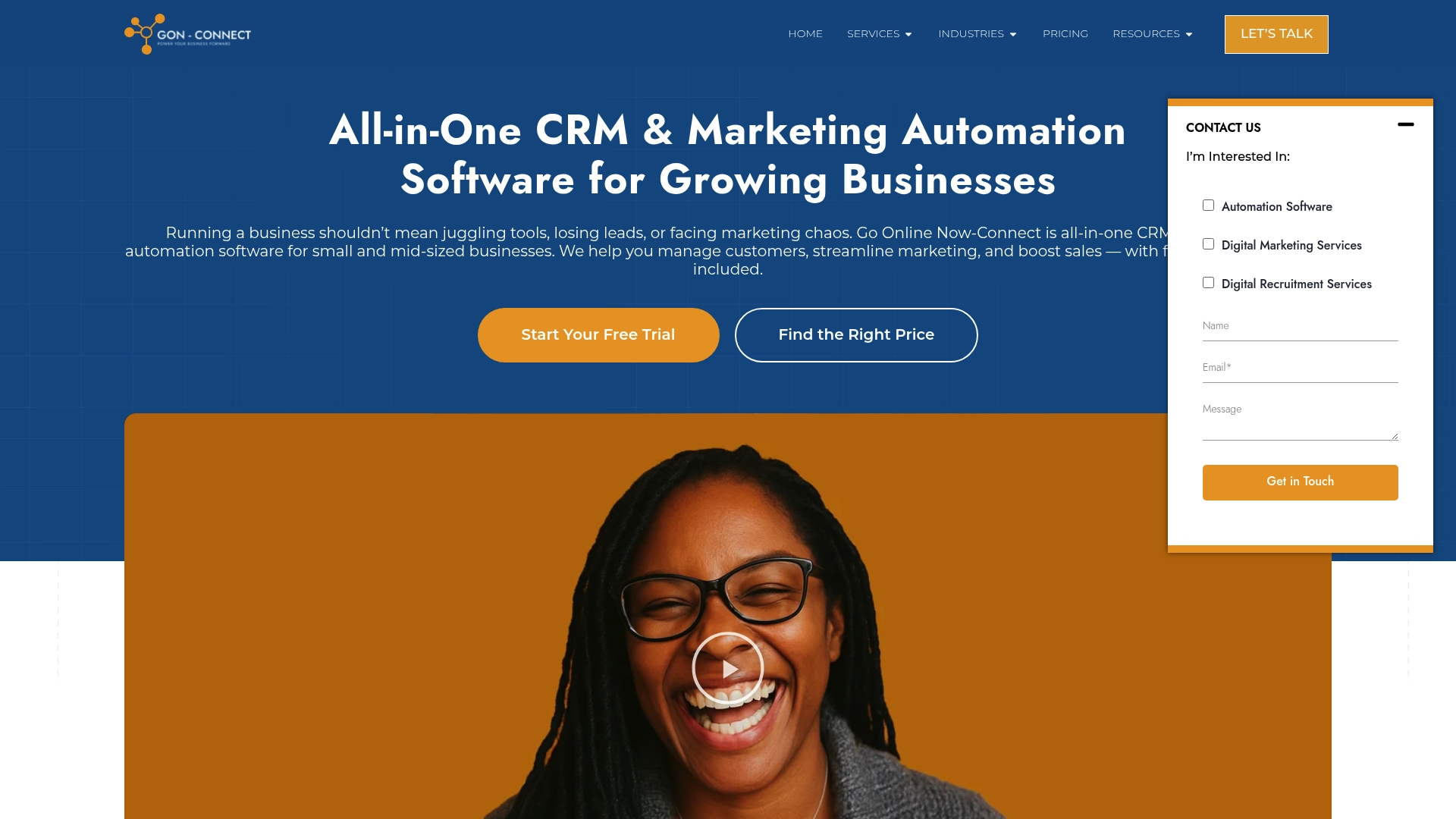
The platform automates your follow-up sequences so no lead goes cold, tracks every customer interaction in a unified inbox, and manages your review requests without manual effort. Goonlinenow clients report up to 85% more conversions and 75% time saved within 90 days of setup. Explore the full range of marketing automation tools for SMBs and see how automation turns your local marketing strategies into consistent, measurable revenue. Setup is done for you, with no contracts and no hidden fees.
FAQ
What are the most effective local business marketing strategies?
Google Business Profile optimization and local SEO deliver the highest return for most small businesses. Pairing these with social media presence and community partnerships creates a complete local marketing system.
How long does local SEO take to show results?
Organic local SEO typically takes 3–6 months to show full results. Paid local ads on Google can generate leads within the first week of launching.
How much should a small business spend on local advertising?
A starting budget of $300–$600 per month on Google Ads or local service ads is sufficient to test and gather conversion data. Scale spending only after you identify which campaigns produce the best cost per lead.
What is the role of Google Business Profile in local marketing?
GBP signals account for approximately 32–36% of local pack ranking weight, making it the single most important free asset for local visibility. A complete, active profile drives calls, direction requests, and website visits directly from Google Search and Maps.
How does marketing automation help local businesses?
Marketing automation handles follow-up emails, appointment reminders, and review requests automatically. This keeps leads engaged after their first contact and frees up your time to focus on delivering your service.