

Nearly 60 percent of small businesses struggle with manual marketing tasks that drain time and resources. Simple errors and bottlenecks often slow growth without anyone noticing. By learning how to analyze your current workflow and match it with the right automation tools, you can free up your team, cut repetitive work, and reach more customers with less effort. Tapping into a smarter system helps you uncover missed opportunities and sharpen your marketing results.
Step 1: Assess Current Marketing Workflows and Identify Bottlenecks
Discovering and mapping your current marketing workflows is the critical first step toward strategic automation. According to the U.S. Small Business Administration guide on marketing strategies, understanding your existing processes helps pinpoint inefficiencies and opportunities for improvement.
Start by documenting every marketing task your team currently performs. Pull out a large whiteboard or digital flowchart tool and create a comprehensive visual map of your marketing activities. Track each process from initiation to completion including:
- Lead generation methods
- Email marketing campaigns
- Social media content creation
- Customer follow-up procedures
- Content publishing workflows
- Prospect tracking and communication
As you map these workflows, look for repeated manual tasks that consume significant time. Watch for patterns like redundant data entry, multiple team members performing similar tasks, or processes requiring excessive human intervention.
Pro Tip: Time yourself performing each task. If something takes more than 15 minutes and happens frequently, it is an excellent candidate for automation.
The goal is not just identifying bottlenecks but understanding their root causes. Are delays happening due to communication gaps? Manual data transfer? Lack of standardized procedures? Your workflow assessment will reveal precise opportunities for streamlining and automation.
In our guide on implementing marketing automation, we provide deeper insights into transforming these discovered inefficiencies into efficient, automated processes.
Step 2: Select the Right Marketing Automation Software for Your Needs
Choosing the ideal marketing automation software is a pivotal decision that can dramatically transform your business operations. According to Business.org reviews of inbound marketing software, selecting the right platform requires careful evaluation of your specific business needs and growth objectives.
Begin by conducting a comprehensive assessment of your current marketing challenges and future goals. Not all marketing automation tools are created equal some excel at email marketing while others shine in social media management or lead tracking. CRM.org suggests examining platforms based on specific functionalities that align with your unique business requirements.
Consider the following key criteria when evaluating marketing automation software:
Here’s a comparison of key criteria to consider when selecting marketing automation software:
| Criteria | Importance Level | What to Look For |
|---|---|---|
| Integrations | High | CRM, Email, Social Media |
| Ease of Use | Medium | Intuitive dashboard Simple setup |
| Scalability | High | Grows with business Flexible |
| Key Features | High | Email automation Lead tracking |
| Pricing and Value | Medium | Transparent cost Free trial |
| Customer Support | Medium | 24/7 help Live chat Tutorials |
- Integration capabilities with your existing tools
- User interface and ease of learning
- Scalability for future business growth
- Specific features relevant to your industry
- Budget and pricing structure
- Customer support quality
Prioritize platforms that offer flexible solutions and can adapt to your evolving marketing strategies. Look for software that provides intuitive dashboards robust reporting features and seamless communication tools.
Pro Tip: Request free trials from multiple platforms. Test the software thoroughly before making a final commitment.
In our guide on selecting marketing automation software, we delve deeper into the nuanced process of finding your perfect marketing technology partner. Your goal is not just to purchase software but to invest in a tool that will actively drive your business growth.
Step 3: Integrate CRM, Email, and Lead Management Tools
Merging your CRM, email, and lead management tools is the key to creating a unified marketing ecosystem that supercharges your business growth. According to Stanford University’s Salesforce Community of Practice, successful integration can dramatically streamline your lead management processes and improve overall marketing efficiency.
Begin by mapping out how your current tools communicate and identify potential connection points. As Mautic outlines for small business marketing automation, the goal is creating a seamless data flow that eliminates manual data entry and reduces potential errors.
Key integration strategies include:
- Sync contact information across all platforms
- Automatically transfer lead data between systems
- Create unified communication tracking
- Establish consistent tagging and segmentation
- Enable real time activity monitoring
- Standardize lead scoring mechanisms
Prioritize platforms that offer native integrations or robust API connections. Look for solutions that can communicate across different software environments without requiring complex custom programming.

Pro Tip: Always test integrations in a controlled environment before full deployment to ensure data accuracy and smooth information transfer.
In our tutorial on effective lead generation workflows, we provide additional insights into creating a powerful interconnected marketing system that grows with your business.
Step 4: Set Up Automated Campaigns, Triggers, and Nurture Sequences
Creating automated marketing campaigns is your pathway to consistent and intelligent customer engagement. UMA Technology’s beginner’s guide highlights the transformative potential of strategic automation for small businesses looking to maximize their marketing efficiency.
Start by defining clear objectives for your automated campaigns. Consider the specific customer journeys you want to create and the key interactions that will move prospects through your sales funnel. UMA Technology suggests identifying precise triggers that signal customer readiness and interest.
Key elements to build into your automated sequences include:
- Welcome email series for new subscribers
- Behavioral triggered communications
- Segmented content delivery
- Abandoned cart recovery messages
- Post purchase follow up sequences
- Re engagement campaigns for inactive contacts
Focus on creating personalized experiences that feel natural and responsive. Your automated campaigns should simulate the nuanced communication of a dedicated marketing professional rather than feeling mechanical or impersonal.
Pro Tip: Design your nurture sequences with progressive value delivery. Each communication should provide incrementally more compelling information that guides contacts toward conversion.
In our guide to building a scalable marketing automation system, we break down advanced strategies for creating intelligent customer communication pathways that adapt and evolve with your business needs.
Step 5: Monitor Results and Optimize Automation Strategies
Taking control of your marketing automation performance requires consistent tracking and strategic refinement. UMA Technology highlights the critical importance of robust analytics in modern marketing software as the key to understanding and improving your marketing outcomes.
Establish a comprehensive monitoring approach that goes beyond surface level metrics. UMA Technology recommends comparing marketing automation tools based on their analytical capabilities to ensure you can dive deep into your campaign performance.
Key performance indicators to track consistently include:
- Conversion rates across different campaigns
- Email open and click through rates
- Lead generation and acquisition costs
- Customer engagement metrics
- Return on marketing investment
- Sales pipeline progression
Set up regular review cycles to analyze these metrics.
Look for patterns that reveal what is working and identify areas where your automation strategy needs adjustment. Treat your marketing automation as a living system that requires continuous optimization.
Pro Tip: Implement A B testing for your campaigns. Small incremental changes can lead to significant performance improvements over time.
In our guide to marketing automation metrics, we provide a comprehensive breakdown of the most critical indicators that will help you transform your marketing performance.
Simplify Your Marketing Automation Journey and Grow Smarter Today
Automating marketing tasks can feel overwhelming for many small and medium businesses trying to unlock growth while juggling limited time and resources. This article highlights common challenges like managing scattered tools, manual workflows, and finding the right automation triggers to nurture leads effectively. Your goal is clear You want an all-in-one solution that easily integrates CRM lead management and email marketing automation without draining your budget or energy.
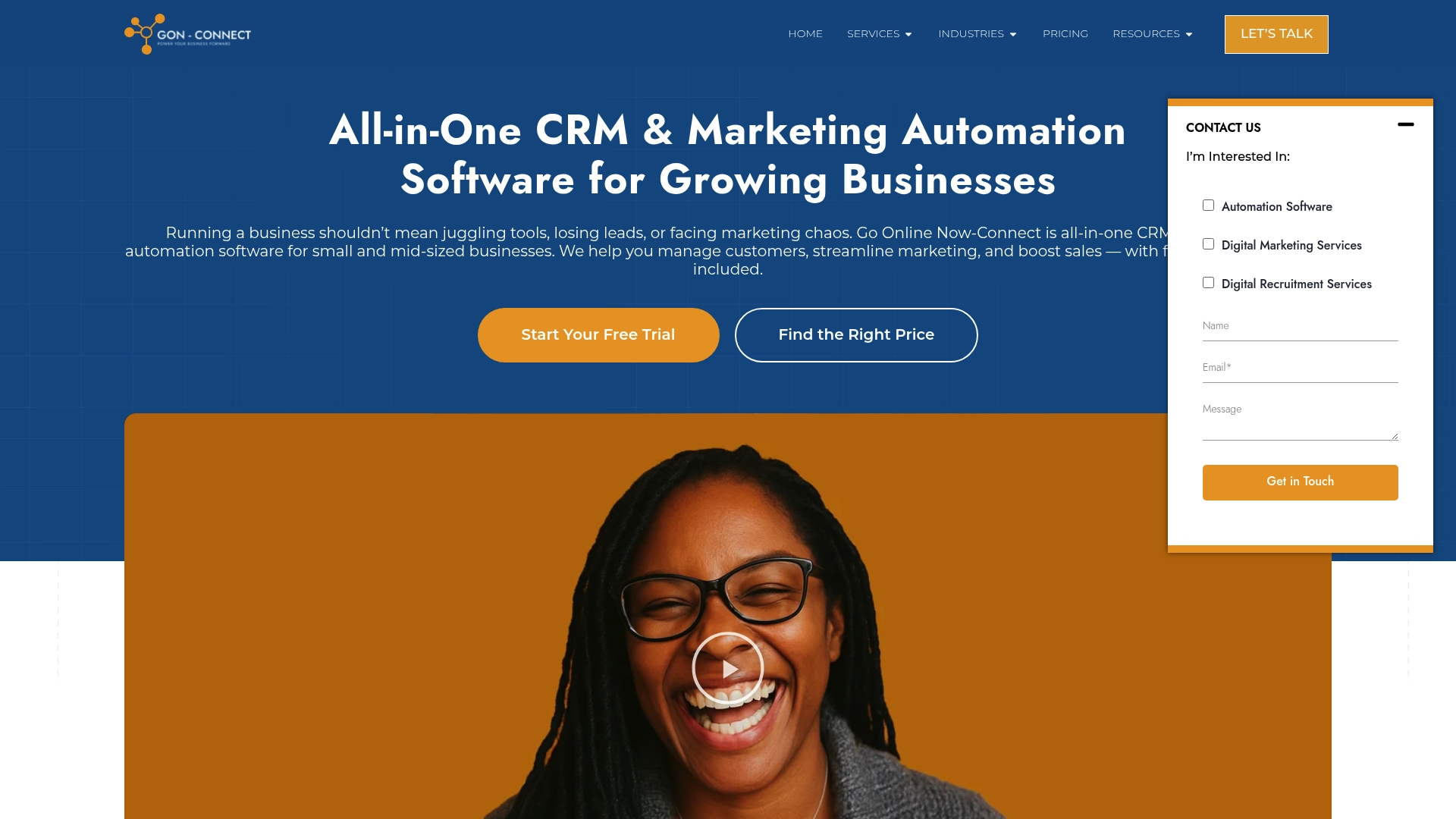
Discover how Go Online Now-Connect solves these critical pain points by offering simple yet powerful marketing automation software built specifically for SMBs and SMEs. With our unified platform you get everything from funnels and reputation management to pipeline tracking and digital marketing services crafted to save you up to 75 percent of your time. Ready to stop struggling with complex setups and overpriced platforms Explore more on our Automation Archives and Digital Marketing Archives where we share practical tips and real success stories.
Start growing smarter with a done-for-you setup and personalized support that transforms your marketing efforts into consistent results. Visit us now at Go Online Now and take the first step toward marketing automation that really works for your business.
Frequently Asked Questions
How can I identify inefficiencies in my current marketing workflows?
To identify inefficiencies, document each marketing task and map out the entire workflow visually. This process helps you spot repeated tasks and communication gaps that can be streamlined for better efficiency.
What key features should I look for in marketing automation software?
Focus on integration capabilities, ease of use, scalability, and essential features like email automation and lead tracking. Prioritize platforms that allow seamless communication with your existing tools to enhance overall effectiveness.
How do I set up automated campaigns for my business?
Begin by defining specific objectives and customer journeys. Create sequences that include welcome emails, behavioral triggers, and follow-ups to engage your audience meaningfully at every interaction.
What key performance indicators should I monitor after automating marketing tasks?
Track metrics like conversion rates, email open rates, and customer engagement levels to evaluate your marketing performance. Set up regular reviews to analyze trends and identify areas for optimization.
How long does it take to see results from automated marketing strategies?
Results can vary, but you may start seeing improvements in engagement and efficiency within 30–60 days of implementing automation. Regularly monitor metrics to assess and refine your strategies for sustained growth.
Recommended
- Marketing Automation Software: Complete Guide for SMBs – Go Online Now
- Marketing Automation Software: Complete Guide for SMBs – Go Online Now
- 7 Affordable Marketing Automation Tips for SMB Success – Go Online Now
- Why Small and Midsized Businesses Need Marketing Automation in 2024 – Go Online Now
- What is Digital Marketing? Understanding Its Importance