

Turning interested prospects into real customers often feels more complicated than it should be. With customer data scattered in different places and countless leads to sort through, it can be hard to know where to start or what to prioritize. Spending precious hours chasing the wrong leads can drain your team’s motivation and resources, making predictable growth seem out of reach.
The good news is, you can take control of your sales process with a few focused changes. This list will show you exactly how to filter high-value leads, centralize contact information, use automation to your advantage, and monitor your pipeline with tools designed for growing businesses. Each actionable strategy will help you build an efficient, reliable path from first contact to closed deal. Get ready to discover clear steps that will turn chaos into confidence and set your sales team up for lasting success.
1. Define Lead Qualification Criteria for Your Team
Lead qualification is the strategic process of identifying which potential customers are most likely to become valuable clients for your business. By establishing clear qualification criteria, your team can efficiently focus resources on leads with the highest conversion potential.
The core purpose of lead qualification is to create a systematic filtering mechanism that helps sales representatives prioritize their efforts. This process involves evaluating potential leads based on several critical dimensions:
- Firmographic characteristics: Company size, industry, location
- Engagement signals: Website interactions, content downloads, email responses
- Budget indicators: Financial capacity and spending patterns
- Intent and motivation: Demonstrated interest in solving specific business challenges
To develop robust qualification criteria, analyze your existing customer base and identify common characteristics of your most successful clients. Lead management fundamentals suggest creating a detailed ideal customer profile that serves as your primary benchmarking tool.
Effective lead qualification transforms your sales pipeline from a generic funnel into a precision-targeted growth strategy.
Implement a scoring system that assigns numerical values to different qualification attributes. For example, a lead might receive points for matching key firmographic criteria, showing high engagement levels, or demonstrating clear purchase intent.
Pro tip: Regularly review and update your lead qualification criteria every six months to ensure they remain aligned with evolving market conditions and your business growth.
2. Centralize Contact Data in an All-in-One CRM
A centralized contact database is the foundation of effective lead management for growing businesses. By consolidating all customer information into a single integrated system, you create a powerful hub that transforms how your team tracks and engages potential clients.
The primary goal of centralizing contact data is to eliminate information silos and create a single source of truth for your entire organization. This approach offers several critical advantages:
- Eliminates duplicate contact records
- Reduces manual data entry errors
- Improves cross-team collaboration
- Enables comprehensive customer insights
- Streamlines communication and follow-up processes
Centralized contact databases dramatically enhance operational efficiency by providing a comprehensive view of each customer’s journey. Your sales team can track interactions, marketing can personalize campaigns, and customer service can access complete interaction histories.
A unified CRM transforms scattered information into a strategic business asset.
Implement a systematic approach to data migration and management. Start by auditing existing contact databases, cleaning redundant or outdated information, and establishing consistent data entry protocols. Choose a CRM that offers robust integration capabilities and user-friendly interfaces to encourage team adoption.
Consider creating standardized fields that capture essential information across all departments. This might include contact details, interaction history, purchase preferences, and communication notes.
Pro tip: Schedule quarterly data review sessions to ensure your CRM remains clean, updated, and aligned with your evolving business needs.
3. Automate Lead Capture and Follow-Up Processes
Automation is the secret weapon for transforming your lead management strategy from reactive to proactive. By implementing intelligent systems that capture and nurture leads automatically, you can dramatically reduce response times and increase conversion potential.
The power of automated lead management lies in its ability to remove manual bottlenecks and create consistent engagement pathways. Modern lead management systems leverage AI to streamline complex processes across multiple channels.
Key benefits of lead capture and follow-up automation include:
- Instant lead qualification and scoring
- Standardized communication workflows
- Reduced human error in lead routing
- 24/7 responsive engagement
- Personalized interaction tracking
Automation transforms sporadic interactions into strategic relationship building.
Implement automation by designing intelligent workflows that trigger specific actions based on lead behaviors. For example, create rules that automatically:
- Capture contact information from website forms
- Send personalized welcome emails
- Assign leads to appropriate sales representatives
- Schedule follow-up reminders
- Track and log all interaction touchpoints
The goal is creating a seamless lead nurturing ecosystem that feels personal yet operates with machine-like precision.
Pro tip: Schedule a monthly review of your automation rules to ensure they remain aligned with evolving customer behaviors and business objectives.
4. Set Up Lead Scoring to Prioritize Outreach
Lead scoring is the strategic process of assigning value to potential customers based on their likelihood of converting. By implementing a robust scoring system, you transform random leads into a prioritized roadmap for your sales team.
Modern lead scoring models leverage machine learning to analyze multiple dimensions of lead potential. The goal is creating a systematic approach to lead evaluation that goes beyond simple demographic analysis.
Key components of an effective lead scoring strategy include:
- Demographic scoring (company size, industry, role)
- Behavioral scoring (website interactions, content downloads)
- Engagement level tracking
- Purchase intent indicators
- Historical conversion data analysis
Lead scoring turns data into a predictive roadmap for sales success.
Design your scoring model by following these strategic steps:
- Analyze your existing customer base
- Identify common characteristics of high-value clients
- Assign point values to specific lead attributes
- Create weighted scoring categories
- Continuously refine and adjust your model
Understand that lead scoring is not a one-time setup but a dynamic ongoing process. Your scoring model should evolve as your business and market conditions change.
Pro tip: Review and recalibrate your lead scoring model quarterly to ensure it remains aligned with your most recent customer acquisition patterns.
5. Track Pipeline Status with Visual Dashboards
Visual dashboards transform raw data into actionable insights that help your team make informed decisions quickly. They provide a real-time snapshot of your sales pipeline’s health and performance at a single glance.
Pipeline monitoring dashboards enable teams to track critical metrics that drive strategic decision-making. The key to effective pipeline visualization is selecting the right metrics and presenting them in an intuitive format.
Essential dashboard components include:
- Conversion rate tracking
- Lead progression stages
- Sales cycle length
- Revenue forecasting
- Team performance indicators
A well-designed dashboard turns complex data into clear, actionable intelligence.
Implement your dashboard by following these strategic steps:
- Identify your most critical performance indicators
- Select a dashboard tool with customizable widgets
- Configure real-time data integrations
- Create role-specific views for different team members
- Establish regular review processes
Understand that a dynamic dashboard evolves with your business needs. Regularly reassess and refine the metrics you track to maintain relevance and accuracy.
Pro tip: Schedule monthly dashboard review sessions to ensure your visualization tools continue to provide meaningful insights and support your strategic goals.
6. Integrate Email and SMS Nurturing Workflows
Nurturing leads requires a strategic multichannel approach that meets prospects where they are most comfortable. Email and SMS workflows create a powerful communication ecosystem that keeps potential customers engaged throughout their decision journey.
Email and SMS nurturing tactics enable businesses to deliver personalized communication at scale. By combining detailed email storytelling with SMS’s immediate directness, you create a comprehensive engagement strategy.
Key advantages of integrated email and SMS workflows include:
- Increased message reach and visibility
- Higher engagement and response rates
- Personalized communication pathways
- Reduced manual follow-up efforts
- Flexible communication preferences
Multichannel nurturing transforms disconnected interactions into a cohesive customer experience.
Design your integrated workflow by following these strategic steps:
- Map customer journey touchpoints
- Create channel-specific content strategies
- Develop behavioral trigger mechanisms
- Establish communication frequency guidelines
- Implement personalization rules
The most effective nurturing workflows dynamically adapt based on individual lead interactions and preferences.
Pro tip: Conduct quarterly audits of your email and SMS nurturing performance to continuously refine messaging and optimize engagement strategies.
7. Measure and Optimize Lead Conversion Rates
Understanding and improving lead conversion rates is the ultimate goal of any effective marketing strategy. By systematically tracking and analyzing your conversion performance, you transform raw data into actionable insights that drive business growth.
Lead conversion metrics provide a comprehensive view of marketing effectiveness. They reveal not just how many leads you generate but the true quality and potential of your sales pipeline.
Key conversion metrics to monitor include:
- Conversion rate percentage
- Cost per conversion
- Lead quality score
- Average time to conversion
- Channel-specific performance
Conversion optimization is a continuous journey of measurement and refinement.
Implement a robust conversion tracking strategy by following these steps:
- Establish baseline conversion benchmarks
- Set specific performance targets
- Conduct regular cohort analysis
- Identify high-performing channels
- Continuously experiment and adjust
The most successful businesses treat conversion optimization as an ongoing process of incremental improvements.
Pro tip: Create a quarterly conversion performance dashboard that highlights key metrics and trends to maintain focus on continuous improvement.
Below is a comprehensive table summarizing the key recommendations and practices from the article on effective lead management strategies.
| Strategy | Description | Key Benefits |
|---|---|---|
| Define Lead Qualification Criteria | Establish systematic criteria for identifying high-potential leads, analyzing firm’s characteristics, engagement, and intent. | Increases sales efficiency and targets valuable prospects. |
| Centralize Contact Data in an All-in-One CRM | Integrate customer information within a single CRM to eliminate silos and improve data accuracy. | Streamlines operations, facilitates collaboration, and enhances customer insights. |
| Automate Lead Capture and Follow-Up Processes | Use intelligent systems to automatically capture and nurture leads through predefined workflows and monitoring. | Reduces manual tasks, ensures timely follow-ups, and enhances engagement. |
| Set Up Lead Scoring to Prioritize Outreach | Implement a dynamic system to assign value to leads based on their likelihood of converting, analyzing a variety of metrics. | Focuses resources effectively and boosts conversion rates. |
| Track Pipeline Status with Visual Dashboards | Monitor key performance metrics of the sales pipeline through informative and customizable dashboards. | Provides real-time insights for data-driven decisions and optimization efforts. |
| Integrate Email and SMS Nurturing Workflows | Combine email and SMS communication strategies to maintain engagement with leads throughout their decision journeys. | Enhances user experience and improves communication effectiveness. |
| Measure and Optimize Lead Conversion Rates | Continuously analyze lead conversion metrics to refine strategies and achieve higher efficiency and better results. | Identifies opportunities for improvement and fosters continuous growth. |
Simplify Your Lead Management with One Easy Solution
Managing leads effectively means overcoming challenges like scattered contact data, slow follow-ups, and complicated sales pipelines. This article outlines clear steps such as lead qualification, automation, and pipeline tracking that SMBs must master to convert more prospects without wasting time or resources. If you want to stop juggling multiple tools and start growing smarter with a unified system that covers all those essential areas, it’s time to explore a solution designed just for businesses like yours.
Go Online Now-Connect offers a powerful marketing automation software and all-in-one CRM platform that helps you centralize contact management, automate lead capture and follow-up workflows, and visually track your pipeline status effortlessly. Our platform is affordable, easy to use, and includes done-for-you setup plus real human support so you can focus on what matters most — closing more deals.
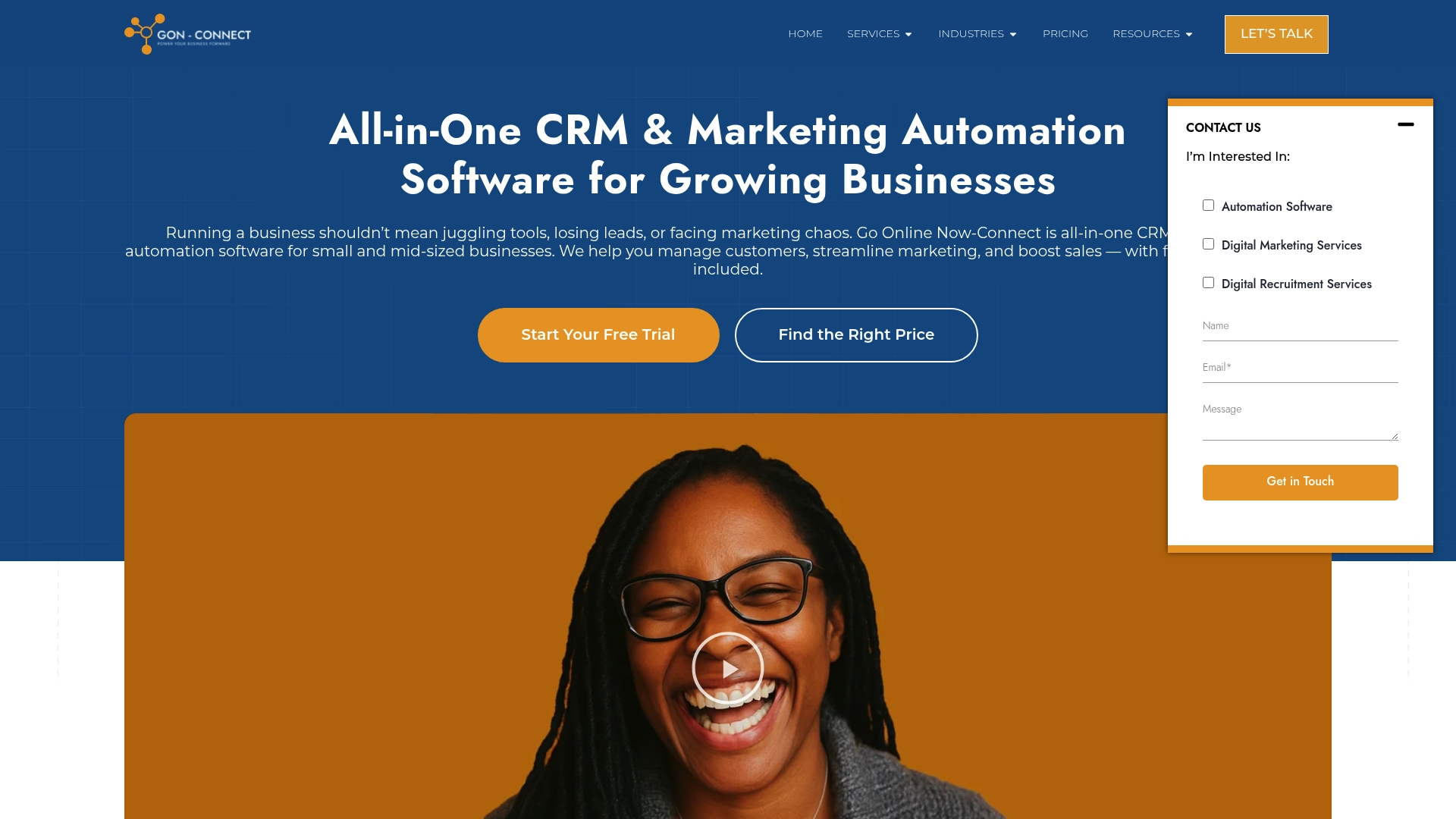
Ready to streamline your lead management and see real results fast? Visit Go Online Now to get started today and take the first step toward smarter growth with a system built for your success. For expert tips on automation, check out our Automation Archives and for strategic digital marketing support, explore our Digital Marketing Archives.
Frequently Asked Questions
What are the first steps to define lead qualification criteria?
To define lead qualification criteria, start by analyzing your existing customer base to identify characteristics of your most successful clients. Create a detailed ideal customer profile to benchmark potential leads effectively.
How can I centralize contact data for better lead management?
Centralizing contact data involves consolidating all customer information into a single integrated system. Begin by auditing your existing databases, cleaning redundant data, and establishing consistent data entry protocols to ensure accuracy.
What are the benefits of automating lead capture and follow-up processes?
Automating lead capture and follow-up processes significantly reduces response times and improves conversion potential. Set up intelligent workflows that trigger actions based on lead behaviors, like sending personalized emails or scheduling follow-ups automatically.
How do I set up a lead scoring system to prioritize outreach?
To set up a lead scoring system, assign point values to various lead attributes based on their likelihood to convert. Analyze your customer data, identify key characteristics of high-value clients, and continuously refine your scoring criteria to stay aligned with market changes.
What metrics should I track on my visual dashboards?
You should track critical metrics such as conversion rates, lead progression, sales cycle length, and team performance on your visual dashboards. Identify essential indicators that matter most to your business and establish regular review processes to gauge performance.
How can I measure and optimize my lead conversion rates?
Measure lead conversion rates by establishing baseline benchmarks and maintaining specific performance targets. Continuously analyze your data, conduct cohort analysis, and adjust strategies based on channel-specific performance to enhance conversion rates.