The Power of Video Marketing: Tips and Tricks

Today, we’ll discuss the power of video marketing and how it can help you transform your online presence and connect with your audience in a more engaging way. For good reason, video marketing is all the rage these days. Video content has become an essential component of any successful online branding strategy, thanks to the rise of social media platforms such as YouTube, TikTok, and Instagram. Video marketing is a powerful tool for telling your story and connecting with your audience, whether you’re creating vlogs, product demos, or brand videos. So, what are some pointers for creating effective video content that engages your audience and gets results? Let’s get started! Storytelling is key The importance of storytelling cannot be overstated. Your video should tell a story that resonates with your target audience and connects them to your brand. Whether you’re showcasing your products or services, sharing your company’s mission, or highlighting your team members, make sure your video tells a compelling story that captures and retains your audience’s attention. The power of storytelling is in its ability to elicit an emotional response from your audience. People are naturally drawn to stories to which they can relate, and using storytelling in your video marketing can assist you in establishing a strong bond with your target audience. It enables you to share your brand’s personality and values in an approachable and memorable manner, allowing you to stand out in a crowded online marketplace. When creating your video story, keep your target audience in mind. What are their issues, passions, and values? How can you use your story to address their wants and needs? You can create a video that not only entertains but also educates and inspires your audience by answering these questions. However, storytelling is more than just the content of your video. It is also important to consider the structure and delivery. A well-crafted story should have a clear beginning, middle, and end, with a climax that leaves your audience with a lasting impression. Your video should be visually appealing and straightforward, with clear transitions and a consistent tone and style. When done correctly, storytelling can be a powerful tool for increasing your brand’s online presence and gaining loyal followers. You can differentiate your brand from the competition and connect with your audience on a deeper level by incorporating storytelling into your video marketing. So, tell me about your experience. Allow us to assist you in telling your story through the power of video marketing. Calls-to-action (CTAs) Next, include calls to action (CTAs) in your video content. Including a clear and concise CTA at the end of your video can help drive conversions and increase engagement with your brand, whether you want your viewers to visit your website, follow you on social media, or sign up for your newsletter. Calls-to-action (CTAs) are an essential component of any successful video marketing strategy. They encourage your viewers to take action, whether it’s visiting your website, purchasing something, or signing up for your services. Your viewers may enjoy your video content without a clear and compelling CTA, but they won’t know what to do next. It’s critical to be clear and concise when writing your CTA. Your audience should understand what you want them to do and how to do it. Use action-oriented language, such as “sign up now” or “click here,” to entice your viewers to act. Also, make your CTA visible and easy to find, whether it’s on-screen, in the video description, or both. Another important consideration when developing your CTA is its relevance to your video content. Your CTA should be consistent with the message and purpose of your video, so it appears to be a natural extension of the content. For example, if your video features a new product, your CTA could be to visit your website to learn more or make a purchase. CTAs can help increase engagement with your brand in addition to driving conversions. Encourage your viewers to share your video on social media or to leave a comment with their thoughts or questions. This can help to foster deeper connections with your audience and foster a sense of community around your brand. Go Online Now specializes in developing effective CTAs that produce results for our clients. Whether you want to increase website traffic, increase sales, or grow your social media following, our team can assist you in creating a clear and compelling call to action that will resonate with your target audience. Contact us today to find out more about our video marketing services and how we can assist you in meeting your online marketing objectives. Optimizing your video content for search engines SEO is another important aspect of video marketing. You can increase your online visibility and attract more traffic to your website by optimizing your video content for search engines. Optimizing your video titles, descriptions, and tags, as well as incorporating relevant keywords and phrases into your scriptwriting, are all part of this process. Optimizing your video content for search engines is critical for increasing brand exposure and reach. With so much content available online, it’s critical to ensure that your video is easily found by your target audience. This is where SEO comes into play. To optimize your video content for search engines, pay attention to the following factors: First and foremost, the title of your video is crucial. It should accurately reflect your video’s content and include relevant keywords and phrases that your target audience is likely to search for. Avoid titles that are vague or generic and give no indication of what your video is about. Then, in your video description, include relevant keywords and phrases to provide a clear and concise summary of your video content. Use descriptive language that accurately reflects your video’s content and adds value to your viewers. Tags are another crucial aspect of video SEO. They assist search engines in understanding the content of your video and categorizing it appropriately. Use relevant tags that
Content Marketing: Best Practices for Success

Hello and welcome back to our weekly blog. Today, we’ll look at one of the most crucial aspects of digital marketing: content marketing. Whether you own a small business or a large corporation, having a solid content strategy is critical to success in today’s digital landscape. So, exactly what is Content Marketing? It is the process of creating and distributing valuable, relevant, and consistent content in order to attract and retain a clearly defined audience. The primary goal of Content Marketing is to encourage profitable customer actions such as sales, leads, and engagement. Here are some best practices to follow to ensure success with Content Marketing: Develop a Strong Content Strategy You must have a solid strategy in place before creating any content. Identifying your target audience, conducting keyword research, setting goals, and defining your brand voice and tone are all part of this process. Creating a solid content strategy is an important step in the content marketing process. A well-thought-out content strategy will assist you in creating valuable and engaging content that will resonate with your target audience, drive traffic to your website, and increase conversion rates. The first step in creating a solid content strategy is identifying your target audience. Who do you want to reach out to with your content? What are their interests, problems, and requirements? Understanding your target audience will allow you to create content that speaks directly to them, addresses their pain points, and solves their problems. The following step is to do keyword research. The process of identifying the most relevant and valuable keywords and phrases that your target audience is searching for online is known as keyword research. This assists you in creating SEO-friendly content that ranks higher in search engine results pages and drives more organic traffic to your website. Setting specific goals is also essential for developing an effective content strategy. Your objectives could include increasing website traffic, generating more leads, increasing engagement, or raising brand awareness. Once you’ve established your objectives, you can develop a content strategy to help you achieve them. Another critical component of your content strategy is defining your brand’s voice and tone. The voice and tone of your brand should reflect your company’s values, personality, and mission. Your tone of voice should be consistent if you want to establish a strong brand identity and build trust with your target audience. In conclusion, creating a solid content strategy is a critical component of content marketing success. You can create valuable, engaging content that resonates with your audience and drives business results by identifying your target audience, conducting keyword research, setting clear goals, and defining your brand voice and tone. SEO based content To improve your ranking in search engine results pages (SERPs), your content should be optimized for search engines, including keywords, meta tags, and descriptions. SEO-friendly content is an essential component of any content marketing strategy. Search engine optimization ensures that your content is visible and easily discoverable by your target audience. Here are some important factors to consider when creating SEO based content: Keywords are the search terms and phrases that your target audience uses to find content about your company. You can improve your ranking in search engine results pages by conducting keyword research and identifying relevant and high-volume keywords to incorporate into your content. Meta tags are HTML tags that provide search engines with information about the content on your website. They include the title, description, and keyword tags for the page. These tags should be descriptive and relevant to your page’s content, as they help search engines understand what your page is about and improve its visibility in search results. Descriptions: In search engine results pages, descriptions are short summaries of your content that appear beneath the title. To entice users to click through to your website, they should be compelling, relevant, and include your target keywords. In addition to optimizing your content for search engines, make sure it adds value to your target audience. High-quality content that provides useful information, solves problems, and addresses pain points will attract and engage your audience naturally. It’s also important to remember that search engines’ algorithms are constantly evolving in order to provide the best possible results to their users. As a result, staying current on the latest SEO trends and best practices is critical to ensuring that your content continues to perform well in search results. In conclusion, SEO based content is an essential component of any content marketing strategy. You can increase traffic to your website by optimizing your content for search engines with relevant keywords, meta tags, and descriptions. However, it is equally important to provide value to your audience and keep up with the latest SEO trends to ensure long-term success. Consistent Blogging Consistently producing new and informative blog content is an excellent way to attract and engage your target audience. It is critical to keep your blog updated with useful and relevant information for your audience. Consistent blogging is an effective content marketing strategy for establishing your brand as an authority in your industry, attracting new visitors to your website, and engaging with your target audience. However, simply creating blog content is insufficient; you must also ensure that it is of high quality, relevant, and informative. Here are some pointers to assist you in creating consistent, high-quality blog content: Create a content calendar: A content calendar allows you to plan and organize your blog content ahead of time. This can help you stay on track and ensure a steady flow of content throughout the year. Your content calendar should be regularly updated and include topics, deadlines, and assigned writers. Identify your target audience: Understanding your target audience is critical for creating blog content that is relevant to them. When creating blog topics and content, keep their interests, pain points, and needs in mind. Focus on quality over quantity: While it is important to create consistent blog content, it is also critical to ensure that
10 Essential Online Marketing Strategies for Small Businesses
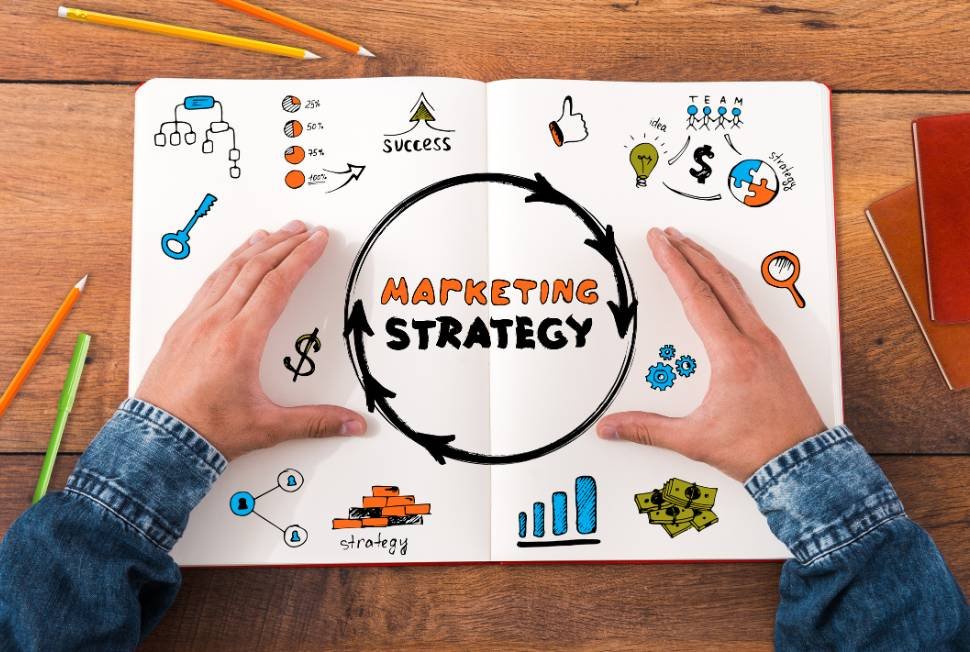
As a small business owner, you must concentrate on online marketing tactics that will allow you to reach your target audience successfully and efficiently. Here are ten vital online marketing methods to assist you achieve your objectives: Social media marketing is a great approach to promoting your business and interacting with your target audience. Create profiles on the platforms where your target audience spends the most time and post relevant information on a regular basis. Consider running social media advertisements to expand your audience. If you own a small business and want to increase visitors, there is no better moment to be online than right now. Anyway, I will try to tell you some points that will help your small business to grow. These tips are general and depend on your specific business situation, But they can help you 1 SEO in your Area Optimize your website for local search results by providing your company name, address, and phone number on your website as well as in local directories. This will help you appear in local search results and attract local clients. Local SEO (Search Engine Optimization) is a digital marketing technique aimed at increasing a company’s exposure and rating in local search results. Local search results emerge when consumers search for a product or service in a specific geographical location, such as “coffee shop near me” or “plumber in [city name].” To begin optimizing your website for local search results, include your company name, address, and phone number (also known as NAP) on your website. All online directories, including Google My Business, Yelp, and other local listings, should have consistent and reliable information. Consistent NAP information assists search engines in verifying the legitimacy of your business and increases your chances of ranking higher in local search results. Optimizing your website’s content for local keywords is another vital part of local SEO. This entails researching and adding local search terms and phrases to the content of your website. If you own a coffee shop in Portland, Oregon, you may include keywords like “Portland coffee shop” or “best coffee in Portland” in the text of your website. It is critical to generate local citations and backlinks in addition to optimizing your website. A citation is when your company’s NAP information is mentioned on other websites, but a backlink is when another website links to yours. Citations and backlinks can both aid your local SEO by informing search engines that your company is relevant and trustworthy. Overall, local SEO optimization of your website for local search results is critical for a small business wanting to acquire people in their area. You may increase your visibility in local search results and attract more local clients to your business by incorporating accurate NAP information, improving your website’s content, and creating local citations and backlinks. 2 PPC Advertising Campaigns Pay-per-click (PPC) advertising allows you to drive visitors to your website by targeting specific keywords and demographics. To reach your target audience, choose a budget and bid on relevant keywords. Pay-per-click (PPC) advertising is a common digital marketing method that entails placing advertisements on search engines or other websites and paying a fee each time a person clicks on one of your ads. You may use PPC advertising to develop focused campaigns that drive traffic to your website, raise brand awareness, and produce leads or purchases. The ability to target specific keywords and demographics is one of the most important advantages of PPC advertising. You may ensure that your ads are seen by users who are most likely to be interested in your products or services by using the proper keywords and demographic parameters. This can help you more successfully reach your target demographic and boost the possibility of converting clicks into leads or sales. To begin a PPC campaign, select a platform such as Google Ads, Bing Ads, or social network advertising platforms such as Facebook Ads or LinkedIn Ads. After you’ve decided on a platform, you’ll need to write your ad copy and select the keywords and demographics you want to target. When bidding on keywords, you must select a budget as well as a maximum bid amount for each term. Your maximum bid amount determines how much you are willing to pay for each ad click. The greater your price, the more likely it is that your ad will be displayed to users searching for that keyword. To guarantee that you are getting the maximum return on your investment, you must constantly evaluate and optimize your PPC advertising. This could entail changing your bid levels, modifying your ad wording, or testing new targeting criteria to determine what works best. Overall, PPC advertising can be a powerful tool for reaching your target audience and driving traffic to your website. You may develop focused campaigns to produce leads or sales and meet your business goals by selecting a budget and bidding on relevant keywords. 3 Content Promotion Make useful content that both educates and entertains your audience. Create blog entries, videos, and other sorts of content to attract and engage your target audience. information marketing is a digital marketing approach that entails developing and disseminating valuable and relevant information in order to attract and engage a certain audience. The purpose of content marketing is to establish your brand as a thought leader in your area, and ultimately drive more traffic, leads, and sales to your website. To design great content marketing campaigns, you must first identify your target audience and the kind of content they prefer. Blog entries, videos, infographics, podcasts, social media posts, and other forms of content may be included. It is critical to focus on giving value to your audience when writing content. This could be teaching them a specific topic, amusing them with engaging and useful information, or resolving an issue they are experiencing. To guarantee that your information reaches the correct people, promote it via numerous means such as social media, email marketing, or paid advertising. You can increase traffic
The Importance of Local SEO in 2023: Complete Guide

The importance of local SEO cannot be overstated in 2023. As more and more people rely on the internet to find local businesses, it’s crucial that your website is optimized for local searches. In this guide, we’ll cover everything from local keywords to Google My Business and everything in between. There’s no denying the fact that a strong local SEO strategy is critical to the success of any business. Local Keywords Selecting the appropriate keywords is the first step in optimising your website for local search. These are the search terms that locals in your area are using to find companies like yours. To locate the most relevant local keywords for your company, use programmes like SEMrush or Google’s Keyword Planner. It’s crucial to remember that local keywords encompass more than just the name of your city or town. Your target market may search for businesses like yours using a range of phrases, including locality names, famous buildings, and even slang expressions. This is when doing in-depth keyword research is useful. Make a list of prospective regional keywords that are pertinent to your company to start. Then, employ a keyword research tool to determine the popularity and level of competition of those terms. To target on your website, look for terms with a large search traffic and little competition. Utilizing location-based modifiers in your keyword approach is also crucial. Examples of long-tail keywords would be “best bakery in [city name]” or “gluten-free bakery near me,” which are more specialised and more likely to draw nearby clients who are actively looking for your products or services. Finally, don’t forget to incorporate local keywords into the page names, meta descriptions, and header tags on your website. This will increase your chances of ranking higher in local search results and assist search engines comprehend what your website is about. Online Reviews Local SEO heavily relies on online reviews. They not only promote trust among potential clients but also let search engines know that your company is reliable and trustworthy. Encourage your clients to submit reviews on online directories like Google, Yelp, and Facebook, and be sure you promptly and expertly answer to all comments (even the unfavourable ones). Online reviews not only help you establish credibility and trust with potential clients, but they can also affect how well your company ranks in local search results. Positive reviews can show search engines that your company is a useful resource for nearby customers, which could result in improved ranks in local search results for your business. Provide links to your company’s review profiles on your website, in email signatures, and in marketing materials to make it simple for customers to post reviews. You can encourage reviews by giving customers who leave them a discount or some other incentive. It’s crucial to reply to all evaluations politely and professionally, even the unfavourable ones. This demonstrates your appreciation for consumer feedback and your willingness to resolve any problems they may have had. Be sure to acknowledge the customer’s complaints and, if appropriate, offer a resolution or an apology when replying to unfavourable reviews. Last but not least, don’t be hesitant to include favourable evaluations into your marketing campaigns. Include them in email newsletters, post them on your website, and promote them on social media. This might help to establish confidence with future clients and show how valuable your company is to the neighbourhood. Local Citations Any mention of your company’s name, address, and phone number (NAP) on another website is referred to as a local citation. These might include social media profiles, local business listings, and directory listings. As inconsistent NAP information might harm your local SEO efforts, be sure it is accurate across all of these listings. Your local search rankings might be impacted by local citation relevance in addition to consistency. Along with the relevance of the particular category or industry in which your business is listed, search engines also take into account the relevance of the website and directory where your business is featured. Start by locating local business associations and industry-specific directories that are pertinent to your business if you want to make sure that your company is included in the appropriate directories and websites. This can include listings in directories for restaurants, lawyers, doctors, and any other sector in which your company is active. Not only can having a listing on these directories benefit your local SEO efforts, but it will also make you more visible to customers who are actively looking for your services. Local citations from social media profiles can also be found there. Ensure that the NAP information on your company’s profiles on Facebook, Twitter, LinkedIn, and other sites is accurate and that the category and location are set to the appropriate locations. This can increase the visibility of your company in local search results and draw in new social media-savvy clients. Last but not least, remember to optimise for mobile while creating local citations. The NAP information for your company needs to be simple to access and viewable on mobile devices given the growth of mobile search. Make sure your website is responsive to mobile devices and that the NAP information is prominently placed on the footer or contact page of your website. In conclusion, creating consistent, pertinent, and mobile-friendly local citations is a crucial component of local SEO. You may improve your exposure in local search results and draw in more clients by taking the effort to find and list your company on pertinent directories and websites. Location Pages It’s crucial to make a unique location page for each of your company’s locations if it has several. These pages ought to outline the services that are provided at that location as well as your NAP information. In order to help establish trust with potential clients, be sure to include add customer reviews and pictures of the place. In order to optimise location pages for local search, they should also have a few more crucial components in
5 Ways Google Ads Can Increase Your Productivity

When it comes to online product and service promotion, Google Ads can increase your productivity and effectiveness. When you set up a campaign on Google advertising, you have access to a variety of tools that will let you monitor and assess the effectiveness of your advertising in real time, allowing you to swiftly make adjustments and improve your ad targeting tactics. Here are five methods Google Ads may boost your effectiveness and productivity. Google Ads is a powerful advertising platform that can help you reach your target audience and grow your business. Here are some tips to help you make the most of it! Keyword Research You must conduct research to determine the keywords that your target audience uses before you develop any adverts. To locate appropriate terms for your ads, use the Google Ads Keyword Planner tool. This will assist you in producing advertisements that are more audience-relevant and targeted. The first step in establishing a successful Google Ads campaign is conducting keyword research. It’s challenging to design ads that successfully reach your target audience if you don’t know what search terms they use. You can use the Google Ads Keyword Planner tool to locate the ideal keywords for your advertisements. Start by typing a few keywords associated with your company or product into the Keyword Planner. The tool will then make more relevant keyword suggestions for you to think about. You can examine details about each keyword, like search volume and level of competition, to help you choose which ones are worthwhile focusing on. It’s crucial to pick keywords with enough search traffic and that are both pertinent to your business. To avoid getting clicks from folks who aren’t really interested in what you have to offer, avoid targeting too general or generic of terms. Focus on precise, long-tail keywords instead, which are more likely to draw in your target market. The purpose of the search should be taken into account when doing keyword research. Depending on their purpose, a person shopping for “running shoes” can be seeking for many kinds of shoes. A committed runner might be seeking for high-performance footwear, whilst a beginner would prefer more budget-friendly options. You can build advertisements that are more focused and pertinent to your audience by comprehending the searcher’s intention. In conclusion, rigorous keyword research is necessary to develop successful Google Ads campaigns. You may develop advertisements that are more likely to be seen by your target audience and result in conversions by using the Keyword Planner tool and taking into account variables like relevance, search volume, and intent. Ad Targeting With Google Ads, you can target particular audiences based on things like geography, language, and device. This can increase the likelihood that your advertisement will be clicked on by helping you reach the appropriate individuals at the right moment. You can reach your ideal clients with Google Ads’ effective ad-targeting function. You may raise the likelihood that your ad will be clicked on and ultimately enhance the likelihood that those clicks will result in sales by targeting your ads to particular audiences based on their interests, behaviours, and demographics. One of the most crucial targeting choices in Google Ads is location targeting. You can select the precise geographic areas in which you want your advertisements to appear. Your adverts can be targeted by region, state, city, or even certain zip codes or neighbourhoods. Local businesses that desire to connect with customers in their nearby area may find this to be of particular interest. Another crucial tool that lets you control the languages in which your adverts are displayed is language targeting. This might be especially helpful if you provide goods or services that are tailored to a particular language or culture. You can target your adverts to particular devices, such as desktop computers, mobile phones, or tablets, using device targeting. This can be useful if you want to tailor your adverts for a certain device or if you want to advertise a mobile app. You can target your adverts using demographic targeting depending on things like age, gender, and income level. If you have a certain target demographic in mind, such as young adults or high-earning individuals, this can be helpful. You can target your adverts based on a user’s search or browsing history using behavioural targeting. You may, for instance, target visitors to your website or those who have recently searched for a particular good or service. You can target your adverts based on a user’s interests or hobbies by using interest targeting. If your product or service is specifically marketed to a particular demographic or interest group, this can be helpful. In conclusion, ad targeting is a potent tool in Google Ads that can assist you in locating your perfect clients. You may enhance the likelihood that your ad will be clicked on and, ultimately, result in more sales by targeting your advertising based on variables like location, language, device, demographics, behaviour, and interests. Ad Scheduling You can choose the time that your ads are displayed to your target market by using ad scheduling. If you have a tight budget and want to maximise your ad expenditure, this can be quite helpful. To choose the most effective times to display your advertising, use data from Google Analytics. A key component of Google Ads is ad scheduling, which gives you control over the timing of when your ads are displayed to potential customers. You can choose certain days and hours of the week when you want your ads to run by using ad scheduling. If you have a small budget and want to make the most of your advertising spend, this can be extremely useful. You may maximise the likelihood that your ads will be seen and clicked on by scheduling them to run when your target audience is most engaged. However, figuring out when to run your ads can be difficult because it depends on your sector, target market, and location. Utilizing data from Google Analytics
Tips for Running Effective PPC Ad Campaigns

Businesses can use PPC advertising to attract traffic, create leads, and increase conversions. A successful PPC campaign, on the other hand, demands meticulous strategy, implementation, and monitoring. In this article, we’ll talk about how to optimize your PPC campaigns to maximize your return on investment (ROI). Here are some pointers to help you get the most out of your advertising ad campaigns: Establish Your Objectives and Budget It is critical to identify your ad campaign’s goals and budget before launching it. What do you hope to achieve with your advertisements? Do you want to improve website traffic, generate prospects, or enhance sales? Set a budget that corresponds to your goals when you’ve determined them. The basis of any effective PPC campaign is defining your goals and budget. Your campaign’s direction and analytics will be determined by your aims. If you want to improve website traffic, for example, you should concentrate on click-through rates (CTR) and impressions. Track form submissions or phone calls if you want to generate leads. When determining your budget, keep in mind the cost of each click as well as the potential return on investment. (ROI). This will assist you in determining how much you are willing to pay on each click or and ensure a great ROI. When determining your budget, you should also consider your competition and the industry in which you operate. If your industry has a lot of competition, you may need to spend more money to compete effectively. Similarly, if you’re targeting high-value keywords, your budget may need to be increased to attain a desirable position in the search results. You can begin preparing your campaign approach once you’ve determined your goals and budget. This includes determining the most appropriate keywords to target, writing attractive ad copy, and constructing effective landing sites. You may optimize your campaign for success and accomplish your targeted outcomes by aligning your goals and budget. Keyword Research One of the most critical parts of a good PPC campaign is keyword targeting. Choose keywords with a high search volume that are relevant to your business. Use tools such as Google Keyword Planner to locate the proper keywords and ensure they match the searcher’s intent. Keyword targeting is an essential part of every PPC campaign. The appropriate keywords might assist you in reaching your intended audience and driving traffic to your website. Here are some keyword targeting pointers: Identify Relevant Keywords: Select keywords that are pertinent to your company and the products or services it provides. To locate suitable terms with a large search volume, use tools like Google Keyword Planner, SEMrush, or Ahrefs. Use Long-Tail Keywords: Long-tail keywords are longer, more precise phrases than wide keywords. They have lower search traffic but higher intent and are less competitive. Target targeted audiences with long-tail keywords to increase your chances of turning them into buyers. Consider Keyword Match Types: Keyword match types govern how closely a searcher’s query must match your keyword in order for your ad to appear. Broad match displays your ad for keyword variations, phrase match displays your ad for precise or close variations, and exact match displays your ad exclusively for that specific keyword. Consider using multiple match types for your keywords to improve the relevance of your advertising and the efficiency of your ad budget. Focus on Search aim: A searcher’s query can have an informative, navigational, or transactional aim. Select keywords that correspond to the intent of your target audience. If someone is looking for information, they may use words such as “what is” or “how to.” When looking for a product or service, people may use terms like “buy” or “near me.” Update Your Keywords on a Frequent Basis: Monitor your keywords on a frequent basis and make changes based on their performance. To stay current and competitive, remove low-performing keywords and replace them with new ones. By following these keyword targeting suggestions, you may boost the performance of your PPC campaign and reach your target audience more precisely. Ad Text Your ad copy should be short, to the point, and relevant to the searcher’s inquiry. Use language that addresses your target audience directly and emphasizes the benefits of your product or service. Test many ad wording versions to determine which ones perform best. Ad copy is an essential component of every successful PPC campaign. Your ad copy must capture the attention of your target audience and persuade them to click on it. Here are some pointers on writing good ad copy: Be Clear and Concise: Your ad copy should be clear and concise. Avoid using jargon or technical language that may mislead your audience by adopting short, snappy words. Highlight Benefits: The benefits of your product or service should be highlighted in your ad copy. Describe what distinguishes you from your competitors and why someone should choose you over them. Use Strong CTAs: A strong call-to-action (CTA) will help you increase your click-through rates. (CTR). Use action-oriented language that pushes your readers to do something, such as “Start today” or “Learn more now.” Ad Copy Should Be Related to the Search Query: Your ad copy should be related to the searcher’s query. To automatically insert the keyword they searched for into your ad copy, use dynamic keyword insertion (DKI). This can help your ad become more relevant and raise your Quality Score. Test Different Ad Copy Variations: Experiment with several ad copy variations to find which ones perform the best. This might assist you in determining the most effective messaging and fine-tuning your ad copy over time. You may improve the performance of your PPC campaign and increase click-through rates by following these suggestions for generating excellent ad copy. To inspire your audience to take action, remember to emphasize the benefits of your product or service, use clear and concise language, and utilize powerful calls to action. Page Landing A landing page is a page to which users are routed after clicking on your advertisement. It is critical to create an
The Power of Email Marketing: Tips for Building an Effective Marketing Campaign

One of the most effective ways to expand your customer base and establish long-term relationships with your clients and consumers is through an email marketing campaign. Learn how to create, implement, and track a successful email marketing strategy that improves sales while also building connections. Do you know who the best email marketers are? They’ve perfected the art of generating the precise message that gets results and can help your company reach its maximum potential. Here are some pointers on how to create an efficient email marketing campaign strategy: Define the goal of your campaign The first step in developing an efficient email marketing campaign is to determine the purpose of the campaign. What do you hope to accomplish with your campaign? Do you want to enhance website traffic, lead generation, or sales? You may adapt your campaign plan after you have a clear purpose. Defining your campaign’s purpose is an important first step in developing an effective email marketing campaign. Before you begin designing and sending emails, you must have a clear concept of what you want to achieve with your campaign. To begin, think about the exact goals you want to achieve with your email marketing campaign. Do you want to increase the number of visitors to your website? Do you want to create leads or increase sales? Maybe you’d like to raise brand awareness or promote a new product or service. Your purpose will be determined by your overall marketing objectives as well as the campaign’s specific goals. Once you have a clear goal in mind, you can begin to build a targeted email marketing approach that will help you achieve it. For example, if increasing website traffic is your aim, you might concentrate on crafting engaging calls to action (CTAs) that urge recipients to click through to your website. If generating leads is your goal, you may develop a lead magnet or give a unique discount to persuade recipients to provide their contact information. Overall, having a clearly defined campaign purpose is critical for ensuring that your email marketing efforts are productive and connected with your overall marketing goals. You can enhance the impact of your email marketing and achieve greater results by taking the time to examine your goals and customize your strategy accordingly. Create an email list Building a high-quality email list is critical to your campaign’s success. Offering lead magnets or incentives in exchange for email sign-ups, displaying sign-up forms on your website, or running social media ads are all ways to expand your email list. Creating an email list is an important component of any successful email marketing strategy. Because a high-quality list of engaged subscribers is more likely to result in higher website traffic, lead creation, and sales, the quality of your email list has a direct impact on the success of your campaign. Here are some strategies for a high-quality email list building: Offer lead magnets or incentives: A lead magnet is a free resource or offer given in exchange for someone’s email address. E-books, webinars, templates, and unique discounts are all examples of lead magnets. You may persuade individuals to join up for your email list and share their contact information by providing a good incentive. Install sign-up forms on your website: Including sign-up forms on your website is an excellent technique to collect visitors’ email addresses. Put forms on your homepage, about page, and blog posts to give people various ways to join your mailing list. Make sure your forms are visible and simple to fill out. Run social media advertisements: Social media ads can be an excellent way to reach out to new people and persuade them to join your email list. Consider launching Facebook, Instagram, or LinkedIn advertisements that target your desired audience and provide a compelling incentive to join up. Organize events: As part of the registration process, consider gathering email addresses from participants. You can also gather email addresses at trade shows or other industry events where you exhibit where you exhibit. Encourage your current subscribers to refer their friends and colleagues to sign up for your email list by using referral marketing. Provide an incentive or reward, such as a discount or a free resource, for each new subscription they refer. Remember that establishing an email list takes time and effort, but the benefits of having a high-quality list of engaged subscribers who are interested in your content and products are well worth the effort. You can establish a robust email list that supports the success of your email marketing campaigns by combining approaches and continually focusing on list growth. Customize your emails Personalization is essential for making your emails stand out and connect with your recipients. Use your subscribers’ first names in your emails, segment your list depending on their interests or activities, and provide tailored communications with dynamic content. One of the most effective ways to connect with your audience and enhance engagement with your email marketing is to personalize your emails. Here are a few ideas for personalizing your emails: Address your subscribers by their first names: Using their first names is a simple yet effective method to personalize your emails. Including their name in the subject line and introductory sentence can pique their interest and encourage them to read further. Segmenting your email list allows you to target certain groups of users with customised messaging. You can categorize your list based on demographics, behavior, or hobbies. If you’re a retailer, for example, you may split your list based on previous purchase history or product preferences. Then, to make your messaging and offers more relevant and engaging, personalize them to each category. Use dynamic content: Dynamic content allows you to customize your email content based on the preferences or behavior of the specific receiver. For example, based on their browsing history on your website, you may provide various product recommendations to different subscribers. This level of personalisation can make your emails feel more suited to the requirements and interests
How to Create a Successful YouTube Channel

YouTube is an excellent platform for content creators to showcase their skills, share knowledge, and connect with a global audience. However, creating a successful YouTube channel is not as easy as it sounds. It requires time, effort, and dedication to create a channel that people will love and keep coming back to. In this article, we will provide you with tips on how to create a successful YouTube channel that can help you grow your brand and increase your revenue. In this blog, you’ll learn how to get more traffic to your website by creating a successful YouTube channel. Find your niche The first step in creating a successful YouTube channel is to find your niche. Your niche is the area of interest that you are passionate about and have knowledge in. It could be anything, from cooking to technology, beauty, gaming, and more. By finding your niche, you can create content that is specific to your target audience and attract viewers who share your interests. It’s important to research your niche to identify your target audience’s needs and preferences, so you can create content that resonates with them. Create high-quality content The key to building a successful YouTube channel is to create high-quality content that engages your viewers. You should invest in quality equipment, such as a good camera, microphone, and lighting, to produce high-quality videos that look and sound professional. You should also focus on creating videos that are informative, entertaining, and valuable to your viewers. You can achieve this by creating videos that offer solutions to problems, answer questions, or teach something new. Optimize your YouTube Channel Videos for SEO Search engine optimization (SEO) is crucial to the success of your YouTube channel. You should optimize your videos for SEO by including keywords in your video titles, descriptions, and tags. This will help your videos appear in search results when people search for keywords related to your niche. You should also use closed captions and transcripts for your videos, as this can help improve your videos’ ranking in search results. Promote your videos on social media Social media is a great platform to promote your YouTube channel and increase your viewership. You should share your videos on social media platforms, such as Facebook, Twitter, and Instagram, to reach a wider audience. You can also collaborate with other YouTubers in your niche to cross-promote your content and reach a new audience. Additionally, you can use paid advertising to promote your videos on social media platforms and increase your reach. Engage with your audience Engaging with your audience is essential to creating a successful YouTube channel. You should respond to comments and messages from your viewers, as this can help build a loyal fan base. You should also encourage your viewers to leave comments and feedback on your videos, as this can help you improve your content and create a better experience for your viewers. Monetize your channel Once your channel starts to gain traction and attract a substantial following, you can monetize your content to generate revenue. You can monetize your channel by enabling ads on your videos, using affiliate marketing, creating sponsored content, and selling merchandise. It’s important to note that you need to have a minimum of 1,000 subscribers and 4,000 watch hours in the last 12 months to enable ads on your videos. Hire a digital marketing agency Hiring a digital marketing agency can help you create a successful YouTube channel. A digital marketing agency can provide you with the expertise and resources to create and promote high-quality content that resonates with your target audience. They can also help you optimize your videos for SEO, create a social media strategy, and monitor your channel’s performance. Go Online Now is a digital marketing company in the Philippines. They can help you create a successful YouTube channel, but they are also a web design agency, website development agency, online marketing agency, web marketing agency, social media marketing agency, just check them out on Go Online Now In Conclusion How to Create a Successful YouTube Channel: With the power of video, many businesses are tapping into a whole new audience of viewers that are looking to learn, engage, and entertain themselves. In fact, YouTube has been reported to be the second largest search engine after Google. According to Search Engine Land, YouTube receives 10 billion unique visitors each month and reaches 500 million hours of viewership every week. In other words, your channel could be the first place that someone go if they are searching for content related to your industry. Curious how online marketing could help your organization reach its marketing goals? Contact me if you want to grow your business, get more clients and spend less money on professional and effective online marketing activities by filling out the form https://bit.ly/3p0bBS5 or book a zoom meeting at your convenience, https://bit.ly/3TR3Wn6 and let me answer all your queries. Please let me know what you think in the comment section below. And as always, thanks for reading! Please feel free to share this post with your family, friends and colleagues. If you have any questions, don’t hesitate to contact me at peter@goonlinenow.co or visit our website Always happy to hear from you!
How to Optimize Your Video Content

Optimizing your video content for SEO and social media can help you to effectively reach your target audience, engage with them, and achieve your marketing goals. By following the best practices outlined in this article, you can create and optimize video content that is both engaging and effective for your business. Whether you are a web design agency, digital marketing agency, website development agency, online marketing agency, web marketing agency, social media marketing agency, social media agency, website design company, web development agency, or any other type of business. In today’s digital age, video content has become an increasingly important component of online marketing strategies. Whether you are a web design agency, digital marketing agency, website development agency, online marketing agency, web marketing agency, social media marketing agency, social media agency, website design company, web development agency, or any other type of business, optimizing your video content can help you to effectively reach your target audience, engage with them, and achieve your marketing goals. In this blog, I will explore some key strategies and techniques for optimizing your video content. I will cover a range of topics, including the benefits of video content, the different types of video content, how to create effective video content, and how to optimize your video content for SEO and social media. Benefits of Video Content Before I delve into the specifics of optimizing video content, it is important to understand the benefits that video content can offer to your business. Here are some key benefits of video content: Improved engagement Video content can help to keep your audience engaged and interested in your brand. Videos can be more dynamic and visually appealing than other forms of content, such as text or images. Increased reach Video content can be shared and distributed across a range of online platforms, helping you to reach a wider audience. Improved conversions Video content can help to drive conversions, as it can be used to showcase products, services, or other offerings in a more compelling and persuasive way. Increased brand awareness Video content can help to build brand awareness and promote your business to new audiences. Types of Video Content There are many different types of video content that you can create to support your marketing goals. Here are some of the most popular types of video content: Explainer videos These videos are designed to explain a product, service, or concept to your audience. How-to videos These videos provide step-by-step instructions on how to perform a particular task or activity. Product videos These videos showcase a particular product or service, highlighting its features and benefits. Testimonial videos These videos feature customers or clients sharing their experiences and opinions about your business. Behind-the-scenes videos These videos offer a behind-the-scenes look at your business, giving your audience a glimpse into your operations, processes, and culture. Animated videos These videos use animation or other visual effects to tell a story or convey a message. Creating Effective Video Content To create effective video content, it is important to consider your target audience, your marketing goals, and your brand identity. Here are some tips for creating effective video content: Know your audience Before you create any video content, it is important to understand your target audience. What are their interests, needs, and pain points? What type of content do they respond to? Plan your content Once you have a clear understanding of your audience, you can start planning your video content. Consider the type of video content that will best meet their needs and align with your marketing goals. Keep it concise Attention spans are short, so it is important to keep your video content concise and to the point. Try to keep your videos under 2-3 minutes in length. Make it visually appealing Video content is all about visuals, so it is important to make sure that your videos are visually appealing and engaging. Use high-quality footage, animations, and graphics to keep your audience engaged. Be authentic Authenticity is key when it comes to video content. Make sure that your videos reflect your brand identity and values, and that they are honest and genuine. Tips for optimizing your video content for SEO Choose the right keywords Just like with any other type of content, it is important to choose the right keywords for your video content. Conduct keyword research to identify the most relevant and high-traffic keywords for your industry and use them in your video titles, descriptions, and tags. Write a compelling title Your video title is one of the most important SEO elements for your video content. Make sure that your title is descriptive, concise, and includes your target keywords. Write a detailed description The video description is also an important SEO element for your video content. Use your target keywords in your description, and provide a detailed overview of what your video is about. Make sure that your description is at least 200-300 words long. Use tags Use relevant tags to help your video show up in search results. Use keywords and variations of keywords in your tags to help your video get discovered by people who are interested in your content. Optimize the video file name When you upload your video to your website or video hosting platform, make sure that the file name is descriptive and includes your target keywords. Add captions and transcripts Captions and transcripts can help to improve the accessibility of your video content and make it easier for search engines to understand the content of your video. Use your target keywords in your captions and transcripts to improve your SEO. Create a video sitemap A video sitemap is a file that provides information about the video content on your website to search engines. Creating a video sitemap can help to improve the visibility of your video content in search results. Optimize Video Content for Social Media In addition to SEO, it is also important to optimize your video content for social media. Here are
Leveraging Cost-Effective Digital Marketing Strategies for Small Businesses in Western Countries

In today’s competitive business landscape, small businesses in Western countries face unique challenges when it comes to marketing their products and services. With limited budgets and resources, entrepreneurs need to find cost-effective digital marketing strategies that deliver maximum return on investment (ROI). In this blog post, we will explore affordable and efficient marketing tactics tailored to the needs of small businesses in the target market. This blog explores the importance of digital marketing, and how to apply best practices to small businesses in Western countries, especially for those in smaller markets, or who do not have access to big budgets. Focus on Local SEO Local search engine optimization (SEO) is a cost-effective way for small businesses to improve their online visibility. By optimizing your website for local search, you can attract more customers from your target geographic area. Some local SEO strategies include creating and optimizing your Google My Business listing, adding location-specific keywords to your website content, and getting positive reviews from customers. Local search engine optimization (SEO) is a crucial aspect of digital marketing that focuses on optimizing a website to increase its visibility and rankings on local search engine results pages (SERPs). As a small business in the USA or any other Western Country, investing in SEO services can help you reach potential customers in your target geographic area and boost your online presence. One of the most effective ways to improve your local SEO is by creating and optimizing your Google My Business listing. This is a free business profile that appears in Google Maps and local search results. By claiming and verifying your listing, you can provide accurate information about your business, such as your address, phone number, and business hours. You can also add photos, posts, and customer reviews to showcase your products or services. Another local SEO strategy is to add location-specific keywords to your website content. These are keywords that include the name of your city, town, or province and can help your website rank higher on local search results. For example, if you run a coffee shop in New York, you could include keywords such as “best coffee shop in New York” or “coffee shop near Broadway theater” in your website content. Positive customer reviews can also play a crucial role in local SEO. Encouraging your satisfied customers to leave reviews on your Google My Business listing or other review sites can help improve your online reputation and increase your rankings on local search results. When looking for search engine optimization services in the Philippines, it’s important to choose a reputable and experienced agency that understands the local market and can tailor their strategies to your specific business needs. A professional SEO service provider can help you identify the best local SEO strategies for your business, monitor your online performance, and make adjustments to improve your results over time. With the right SEO services, your business can enjoy increased visibility, more traffic, and ultimately, more sales. Utilize Social Media Platforms Social media platforms like Facebook, Instagram, Twitter, and LinkedIn offer cost-effective opportunities to engage with your target audience. Create and share valuable content that resonates with your audience, and encourages them to interact with your brand. Use social media advertising to reach a larger audience with minimal investment. Social media platforms have become an essential part of our lives, and they present significant opportunities for businesses to connect with their target audience. Utilizing social media for marketing purposes is known as social media marketing (SMM). SMM services are designed to help businesses create and implement effective social media strategies to achieve their marketing goals. Social media marketing services include creating and sharing valuable content that resonates with your target audience, as well as encouraging them to interact with your brand. By using social media platforms like Facebook, Instagram, Twitter, and LinkedIn, businesses can engage with their audience on a personal level, creating brand awareness and loyalty. One of the most significant benefits of social media marketing is its cost-effectiveness. Creating a social media account is free, and businesses can reach a significant portion of their target audience without spending any money. However, to reach a larger audience, businesses can use social media advertising, which requires minimal investment and can provide significant returns on investment (ROI). When implementing social media marketing strategies, it’s essential to keep in mind the unique features and audience of each platform. For example, Instagram is primarily visual, while LinkedIn is more professional and geared towards business-to-business interactions. By understanding these nuances, businesses can tailor their content to each platform and create more engaging and effective campaigns. In conclusion, social media marketing is a powerful tool that businesses can use to reach and engage with their target audience. By utilizing social media platforms and services, businesses can create cost-effective campaigns that drive brand awareness, loyalty, and sales. Email Marketing Email marketing remains one of the most efficient and cost-effective digital marketing strategies. Build an email list by offering valuable content or incentives in exchange for contact information. Send regular newsletters and promotional emails to your subscribers, ensuring that your content is relevant, engaging, and personalized. Email marketing is a powerful tool that can help businesses of all sizes to build relationships with customers and drive sales. To get started, you’ll need to build an email list by offering something valuable in exchange for contact information. This could be a free e-book, a discount code, or access to exclusive content. If you offer website content writing services or sell products online, this is a great opportunity to showcase your expertise and encourage people to sign up for your email list. Once you’ve built your list, it’s important to keep your subscribers engaged with regular newsletters and promotional emails. Your content should be relevant, engaging, and personalized to each recipient. This can be achieved by segmenting your email list based on demographics, interests, and previous behavior. By sending targeted emails, you’ll increase the chances of your subscribers opening and engaging