Outsourcing Local SEO: Staying Ahead of the Competition

In the current climate of the digital economy, search engine optimization (SEO) for local businesses has evolved into an essential component of growing a company, particularly for the purpose of attracting local customers. Local SEO strategies, such as optimizing Google My Business, creating citations, earning positive good reviews, conducting keyword research, implementing on-page optimization, link building, and creating geo-targeted content, all play a pivotal role in the process of improving online visibility and connecting with the local audience. However, due to the competitive nature of local SEO, it is necessary for businesses to go above and beyond in order to gain a competitive advantage over their contemporaries. In this blog post, we will investigate how businesses can gain a competitive advantage by outsourcing their local search engine optimization to a specialized agency. SEO agencies can assist businesses in achieving better results and increased visibility in local search by ensuring they are current with the latest industry trends and algorithmic changes. Understanding the Competitive Landscape of Local SEO The digital landscape is filled with fierce competition, particularly for businesses that are targeting customers in their immediate area. Local search results on search engines typically include a list of relevant businesses, which are displayed in response to potential customers searching for goods or services in their area. These search results have a significant influence on the decisions that consumers make, as users are more likely to choose businesses that appear at the top of the search results. Because there are so many businesses competing for top positions in local search results, gaining visibility in those results can be a difficult task. In order for a company to be successful, it needs to optimize its online presence, produce content that is valuable, and implement local SEO strategies that are effective. While there are companies that try to handle local SEO on their own, many others are turning to professional SEO agencies in order to gain an advantage over their competitors. The Role of Professional SEO Agencies Expertise and experience play an important role in the work that professional SEO agencies do. Businesses that outsource their local search engine optimization need a professional agency to gain access to a team of specialists who have specialized knowledge and experience in local search engine optimization tactics. Because SEO agencies are familiar with the nuances of local search algorithms and the standard operating procedures of their industry, they are able to devise customized strategies that produce superior results. Local SEO specialists have spent years honing their skills and keeping up with the latest developments in both trends and algorithm changes. They are able to analyze market trends, recognize keyword opportunities, and implement on-page optimization techniques that are aligned with the intent of local searches because they have the expertise necessary. A competent SEO agency will have worked with a wide range of businesses operating in a variety of markets, providing them with invaluable insights into the aspects of local search that are successful and those that are not. By utilizing this expertise, businesses are able to make educated decisions regarding the local SEO strategies they employ, allowing them to maintain a competitive advantage over their rivals. 2. Consistent Monitoring and Adaptation Search engine optimization for local businesses is a field that is constantly undergoing change. This is because search engines frequently update their algorithms in order to provide users with the most accurate and relevant results possible. SEO firms allocate resources to monitor these changes, which helps to ensure that businesses’ SEO strategies continue to be effective and are in accordance with the guidelines provided by search engines. It is absolutely necessary, in order to maintain and improve search rankings, to have the ability to quickly adapt to these changes. In order to gain a better understanding of how their strategies are performing, SEO companies conduct regular analyses of performance metrics such as keyword rankings, organic traffic, and conversion rates. They are able to adapt their strategies to the ever-changing landscape of local search by basing their decisions on empirical evidence. Businesses gain an advantage over their rivals, who may not be as proactive in their approach, thanks to the constant monitoring and adaptation of their local search engine optimization strategies. Businesses are able to keep their visibility and relevance in local search results as long as they are able to anticipate changes in search engine algorithms and respond appropriately to those changes. 3. Comprehensive Local SEO Strategies SEO companies offer a holistic approach to local SEO, addressing various aspects such as optimizing Google My Business, creating citations on relevant directories, earning good reviews, conducting in-depth keyword research, and building backlinks of high quality. Local SEO is an important part of a company’s overall online marketing strategy. Strategies for Comprehensive Local SEO: SEO companies offer a holistic approach to local SEO, addressing various aspects such as optimizing Google My Business, creating citations on relevant directories, earning good reviews, conducting in-depth keyword research, and link building of high quality. Local SEO is an important part of a company’s overall online marketing strategy. The optimization of Google My Business (GMB) is an essential component of local search engine optimization. A reliable SEO company will make sure that a company’s GMB listing is fully optimized by including all of the relevant information, as well as appealing images and posts to interact with. In addition to this, they will actively manage customer reviews and respond to those reviews in a prompt manner in order to build trust and credibility among prospective customers. Another essential component of local SEO is the process of creating citations on directories that are both authoritative and relevant. SEO companies research and create citations on websites and platforms that are pertinent to the sector in which a company operates and its geographic location. These citations not only improve a business’s visibility in local search results, but they also contribute to the overall online presence and reputation of that business. Building trust and credibility requires getting positive feedback from
Time Constraints and Priorities: Balancing Local SEO with Core Business Tasks

In this day and age, search engine optimization (SEO) for local businesses is more important than ever for drawing in nearby customers and expanding a company’s customer base. It is essential to implement local SEO strategies in order to improve your online visibility and connect with local customers. Some examples of local SEO strategies include optimizing Google My Business, creating citations, earning positive reviews, conducting keyword research, implementing on-page optimization, building quality backlinks, and creating geo-targeted content. On the other hand, in order to execute a local SEO strategy that is successful, a significant time commitment and expertise are required. It is essential for the owner of a business to strike the right balance between local search engine optimization efforts and the tasks that are fundamental to the operation of the business. This blog post will discuss the time constraints and priorities that are involved in local SEO, and it will assist you in determining whether or not your team is capable of effectively managing SEO without compromising other essential business responsibilities. We will also investigate outsourcing as a potential way to save time in order to guarantee that your local SEO strategy will be successful even as your company continues to thrive. Understanding the Time Commitment of Local SEO Having a Good Understanding of the Time Commitment That Local SEO Requires Research on Keywords and Optimization of Individual Web Pages: Researching relevant keywords should form the basis of any successful local SEO strategy. It is absolutely necessary, in order to achieve a higher ranking in the local search results, to first identify relevant keywords and then incorporate them into the content and meta tags of your website. Researching keywords, on the other hand, is an ongoing process because both search patterns and customer behaviors are constantly shifting over time. Your team needs to commit time and energy to stay current with the most recent trends in keyword usage and to consistently implement on-page optimization in order to be successful. Consider utilizing tools such as Google Keyword Planner, SEMrush, or Ahrefs to make the process of conducting keyword research more efficient. These tools can assist in the identification of keywords that receive a high volume of traffic and are pertinent to your company and location, thereby saving your team valuable time during the research phase. 2. Google My Business (GMB) Optimization If you want to be successful with local SEO, you absolutely need to optimize your Google My Business listing. Maintaining an up-to-date Google My Business profile that includes truthful information, posts, reviews, and Q&A engagements calls for continuous focus and effort. In particular, responding to customer reviews requires prompt and thoughtful responses in order to build trust and credibility with potential customers. Your team needs to set aside some time to effectively manage the GMB listing for your business. Additionally, they need to keep an eye on customer reviews and respond to them in a timely manner because customer engagement can have an effect on the reputation of your company as well as its visibility in local search results. 3. Create Citations and Earning Good Reviews Establishing an online presence for your company and improving its rankings in local search results can be accomplished by adding and creating Citations to relevant local directories and platforms. It is essential for local search engine optimization (SEO) that the Name, Address, and Phone number (NAP) information be consistent across all citations. Your team needs to devote some of its time to making certain that the information about your company is correct and consistent across all citations. Both obtaining and successfully managing positive feedback from customers is extremely important. Your team should be encouraged to actively request reviews from happy customers and to respond to reviews, whether they are positive or negative. Responding to feedback provided by customers in a timely manner demonstrates your organization’s dedication to ensuring their complete satisfaction and may have a beneficial effect on the online reputation of your company. 4. Link Building If you want to improve the domain authority of your website and its visibility in local search results, you need to get quality backlinks from websites that have a good reputation. However, in order to construct backlinks of high quality, consistent effort and outreach are required. Your team needs to set aside time to research potential link-building opportunities, communicate with websites that are pertinent to the topic, and produce valuable content that attracts links on their own. Link building is an ongoing process, and your team should make it a habit to check how well their efforts are paying off on a regular basis. They are able to adjust their strategy as necessary and recognize areas in which there is room for improvement if they track the number and quality of backlinks. 5. Geo-Targeted Content If you want your local SEO efforts to be successful, you need to create content that appeals to your local audience. Time and creativity are required for the creation of blog posts, landing pages, content for social media, and content that is localized for websites. Your team needs to conduct research on local trends, events, and topics that are relevant to your target audience, and then incorporate geo-targeted keywords into the content that they produce. Your team needs to make a time commitment in order to consistently produce content that is relevant, engaging, and aligned with the interests of the local community. Investing in the creation of content, on the other hand, can help your business strengthen its local identity and foster stronger connections with local clients. Analyzing Time Constraints and Prioritizing Business Tasks It is essential for you, as the owner of a business, to evaluate the amount of time that your team will be able to realistically allocate to local SEO efforts. Consider the following factors when analyzing time constraints and prioritizing business tasks: Determine how large your team is and how much experience each member has working with local SEO strategies. Do you have staff members who
Is Your Team Ready for Local SEO?
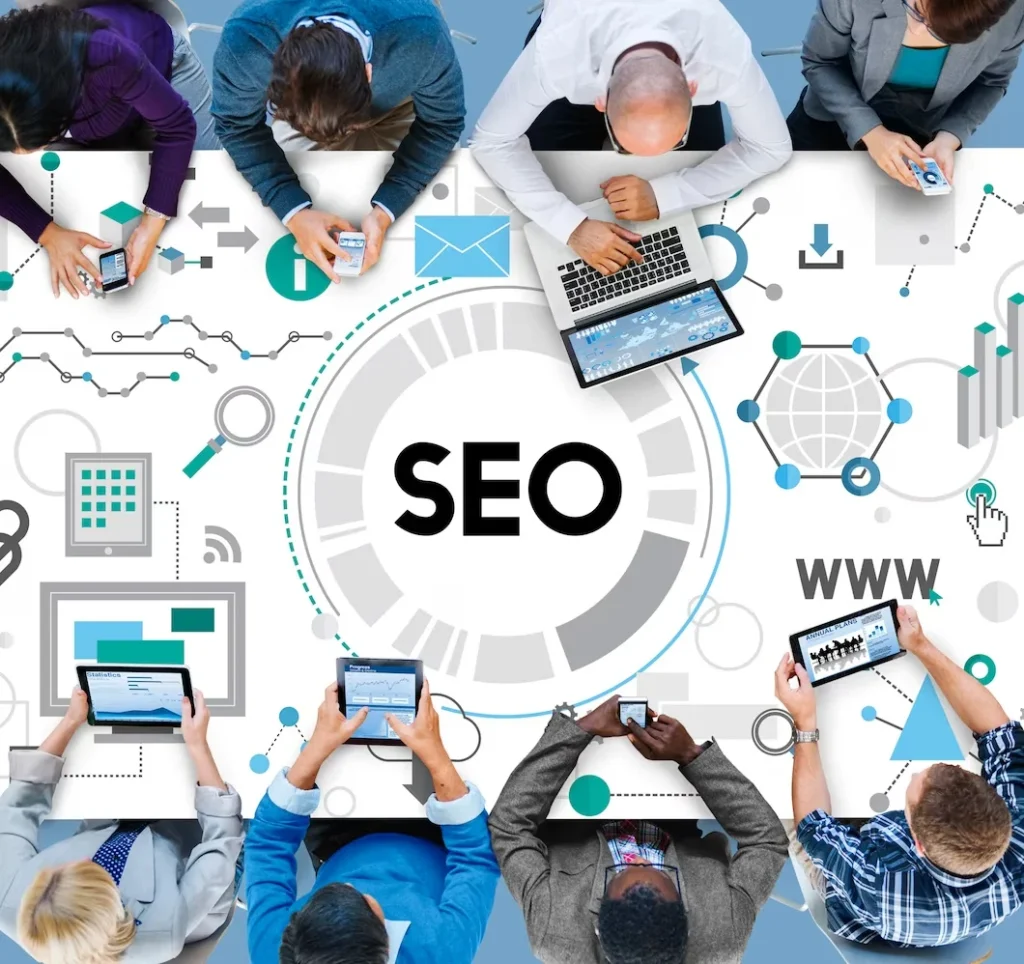
Evaluating Internal Resources: Is Your Team Ready for Local SEO? As businesses recognize the value of local SEO in attracting nearby customers, the question arises: Is your internal team prepared for effective local SEO? Local SEO encompasses a variety of strategies, including Google My Business optimization, creating citations, earning good reviews, conducting keyword research, implementing on-page optimization, building quality backlinks, and creating geo-targeted content. While having an in-house team to handle local SEO can be beneficial, it is critical to assess your team’s skills and knowledge to ensure they are up to the task. This blog post will walk business owners through the assessment process, assisting them in identifying any knowledge gaps or resource constraints and making informed decisions about whether or not to outsource local SEO. Assessing Local SEO Knowledge and Skills The foundation of effective local SEO is extensive keyword research to identify relevant terms and phrases that local customers use to find businesses like yours. This is an important step in tailoring your content and on-page optimization efforts. Examine your team’s ability to conduct keyword research and include relevant keywords in website content, meta tags, and headers. Make sure they understand best practices for on-page optimization, such as URL structure, meta descriptions, and image alt tags. Using various tools and data sources to identify high-traffic and relevant keywords related to your business and location is what keyword research entails. The goal is to understand your local audience’s search intent and target keywords that have the potential to drive organic traffic to your website. To conduct effective keyword research, your team should be familiar with tools such as Google Keyword Planner, SEMrush, or Ahrefs. After identifying the target keywords, the next step is to optimize your website pages for those keywords. On-page optimization entails incorporating the target keywords into the content, headings, meta tags, and URLs of your website. Furthermore, your team should ensure that each page provides valuable and relevant information to visitors and is structured in a way that search engines can easily understand. As search engine algorithms evolve and user search behavior changes, it is critical to review and update your website’s on-page optimization on a regular basis. To ensure that your website remains competitive in local search results, your team should stay up to date on the latest best practices and trends in on-page SEO. 2. Google My Business (GMB) Optimization It is critical for local SEO success to optimize your Google My Business listing. Your GMB profile provides valuable information to potential customers, such as your company name, address, phone number, and operating hours. Check that your team understands how to optimize and regularly update your Google My Business listing to ensure accuracy and relevance. They should also be proficient in using GMB features such as posts, reviews, and Q&A to effectively engage with customers. To optimize your GMB listing, make sure that all of the information is correct, consistent, and up to date. This includes your company name, address, phone number, website URL, business category, and hours of operation. Accurate and consistent information is critical for local SEO because it helps search engines understand your business’s location and relevance. Encourage your team to use the GMB Posts feature to post updates, offers, and announcements on a regular basis. These posts appear in your GMB listing and can be seen by potential customers looking for products or services in your area. Posts can be used to publicize special events, highlight new products or services, share customer feedback, or provide helpful hints and information. Customer feedback is another important aspect of GMB optimization. Positive reviews can boost your company’s reputation and credibility, whereas negative reviews can turn off potential customers. Encourage your team to manage and respond to customer reviews on your Google My Business listing. Responses to both positive and negative reviews that are timely and thoughtful demonstrate your commitment to customer satisfaction and can influence the perception of your business. Furthermore, the Q&A section in your GMB listing allows customers to ask questions about your company, and anyone can respond. Encourage your team to monitor and respond to these questions as soon as possible, as this helps potential customers build trust and transparency. 3. Building Citations and Earning Good Reviews Creating citations on relevant local directories and platforms aids in the establishment of your business’s online presence and boosts your local search rankings. Check to see if your team understands the significance of consistent NAP (Name, Address, Phone Number) information across citations. They should also be skilled at acquiring and managing positive customer reviews, as positive reviews play an important role in establishing trust with potential customers. Citations are instances of your company’s name, address, and phone number being mentioned on various online platforms. These citations could be directory listings, business listings, or mentions on local websites and blogs. Consistent NAP information across all citations is critical for local SEO because it allows search engines to verify your company’s legitimacy and location. Your team should make certain that your company’s information is correct and consistent across all online directories and platforms where it is listed. In addition to citations, online reviews are an important factor in local SEO. Positive customer reviews inform search engines that your company offers valuable products or services and provides excellent customer service. Encourage your team to actively seek out and respond to positive and negative reviews from satisfied customers. Responding to reviews demonstrates that your company values customer feedback and is committed to resolving any issues that customers raise. 4. Link Building 5. Geo-Targeted Content Creating content that speaks to your local audience is essential for local SEO success. Assess your team’s ability to create engaging and relevant geo-targeted content that meets the needs, preferences, and interests of local customers. Blog posts, landing pages, social media posts, and localized website content are all examples of geo-targeted content. Geo-targeted content allows your company to connect with the local community and demonstrate an understanding of their specific needs
Local SEO ROI: Calculating the Value for Your Business

Local businesses must find effective ways to stand out from the crowd and attract local customers in today’s fiercely competitive digital landscape. Local SEO has emerged as a powerful tool for achieving this goal, but as a business owner, you may be wondering whether it is worthwhile to invest in local SEO services. This blog post aims to demystify the process of assessing the potential return on investment (ROI) of local SEO services. You can make an informed decision about the cost-effectiveness of outsourcing local SEO for your business by understanding the long-term benefits of improved search rankings, increased visibility, and enhanced customer engagement. Step 1 Recognizing the Importance of Local SEO Local SEO is a subset of search engine optimization that focuses on optimizing your online presence in order to attract nearby customers looking for products or services in their area. It entails strategically targeting location-based keywords, creating citations on relevant local directories, optimizing your Google My Business listing, and generating positive customer reviews in order to increase your business’s visibility in local search results. Local SEO is critical, especially in an era when consumers increasingly rely on online platforms to find and interact with local businesses. According to Google, nearly half of all searches have local intent, indicating that users are actively looking for information about products or services available in their immediate vicinity. Furthermore, 76% of people who conduct a local search on their smartphones visit a related business within 24 hours, demonstrating the potential impact of local SEO on foot traffic and conversions. Businesses can gain a competitive advantage and connect with their target audience at the exact moment they are looking for solutions by implementing effective local SEO strategies. Local SEO is a powerful tool for attracting and engaging local customers, whether you own a physical store, a restaurant, a service provider, or any other type of local business. Step 2 Setting Specific Business Objectives, it is critical to define your business goals before calculating the ROI of local SEO services. When it comes to local SEO, different businesses may have different goals, and understanding your unique goals will help you evaluate how local SEO aligns with your overall business strategy. Your primary goal, for example, could be to increase sales and revenue. In this case, you’d want to keep track of the number of conversions generated by local searches, such as phone calls, website inquiries, or in-store visits. Alternatively, your priority may be to increase website traffic in order to increase online visibility and brand awareness. Metrics like website traffic, click-through rates, and time-on-site become critical in determining the success of your local SEO efforts. Furthermore, local SEO can help you improve your reputation and authority in your community. Positive customer Good Reviews, an up-to-date Google My Business profile, and active engagement with local customers can all help to foster brand loyalty and create a positive brand image. Monitoring customer sentiment, review ratings, and social media interactions become critical performance indicators in such cases. You can gauge the effectiveness of your local SEO strategy and align it with your overall business objectives by setting clear and measurable goals. Step 3 Estimating Potential Local SEO Revenue To calculate the potential ROI of local SEO services, you must first calculate the revenue you expect to generate from increased online visibility and customer engagement. This estimation entails analyzing your average transaction value as well as the number of new customers you expect to acquire as a result of increased local search visibility. Begin by reviewing your historical data to determine your average transaction value, which is the average amount of money your customers spend on your products or services in a single transaction. This value is critical in determining the revenue generated by each customer found through local SEO efforts. Consider the potential increase in customers that could result from better online visibility and local customer targeting. Examine your current conversion rates for website visits, phone calls, or store visits resulting from local searches to estimate this. Project a conservative percentage increase in these conversion rates based on industry benchmarks and the effectiveness of your local SEO strategy. To calculate the additional revenue generated by local SEO, multiply the average transaction value by the projected number of new customers. This estimate will be used to compare the potential revenue gain to the cost of local SEO services. Step 4 Estimating the Price of Local SEO Services, the next step is to calculate the cost of outsourcing local SEO services. The cost can vary greatly depending on a variety of factors, including the scope of services, the size of your business, and the reputation of the SEO agency with which you choose to work. Keyword research, on-page optimization, content creation, link building, local citation building, Google My Business optimization, and performance tracking are common components of local SEO services. Each of these elements adds to the overall cost of local SEO. Consider the expertise and experience that an SEO agency brings to the table when choosing one. Because of their track record of delivering results and their ability to implement sophisticated strategies, reputable agencies frequently charge higher fees. Smaller agencies or freelancers, on the other hand, may offer more affordable options, but their performance may vary. Request quotes and proposals from multiple agencies to gain an understanding of the industry’s current rates. To make an accurate cost comparison, make sure to clarify the scope of services included in the package. Step 5 Considering Long-Term Advantages One of the most important benefits of local SEO is its long-term impact. Local SEO efforts, unlike some other forms of marketing that produce temporary results, can continue to pay dividends well after the initial investment. The benefits of consistently ranking higher in local search results and maintaining an optimized online presence can last for months or even years. Consider how ongoing local SEO efforts affect your company’s visibility, customer engagement, and overall reputation. Positive customer feedback and active participation on social
Local SEO: DIY vs. Outsourcing
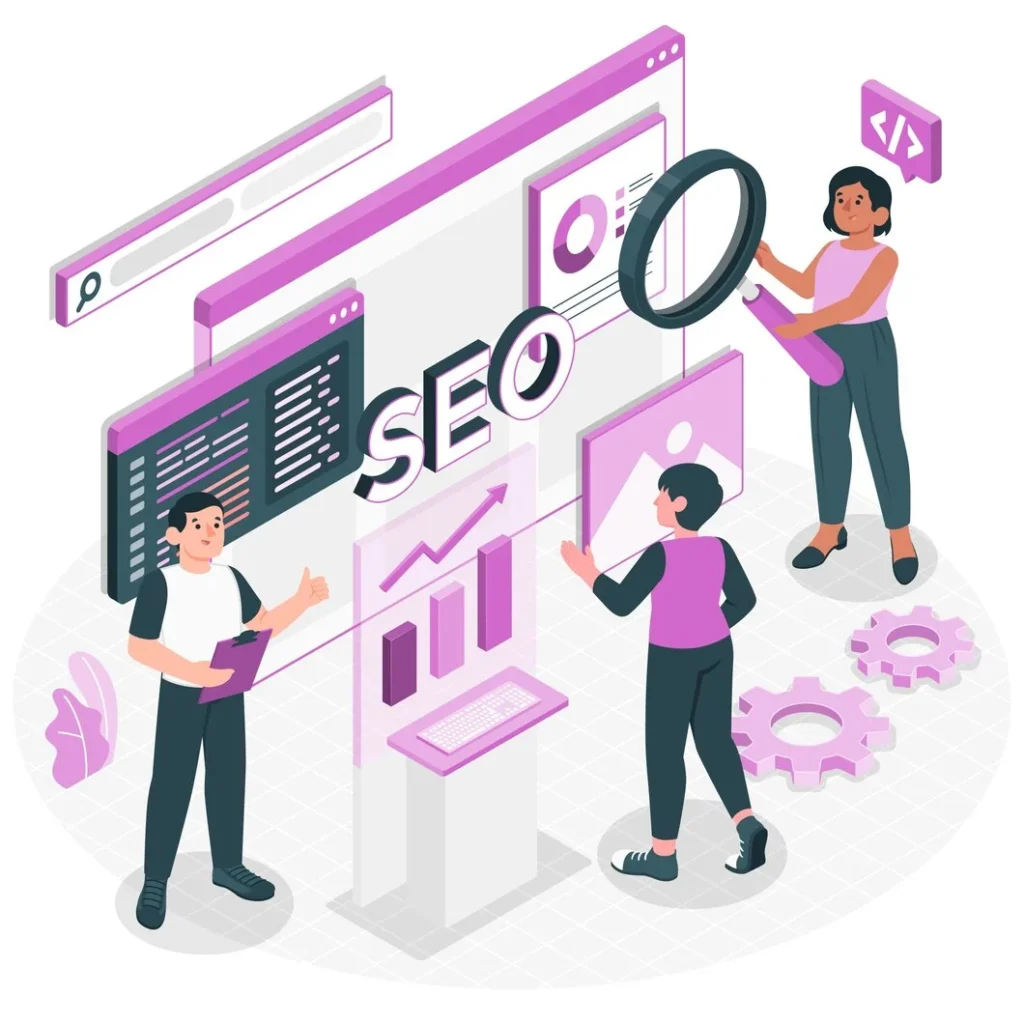
Local SEO: DIY vs. Outsourcing – The Right Fit for Your Business? In this day and age of digital technology, search engine optimization (SEO) for local websites has developed into an essential component of a fruitful marketing strategy for businesses that want to grow by attracting customers from their immediate area. If you own a company, you probably find yourself in the precarious position of having to decide whether to handle local search engine optimization (SEO) in-house or outsource the task to a specialized agency. The purpose of this blog post is to serve as a guide for you as you make this decision by conducting an in-depth analysis of the benefits and drawbacks of each strategy, taking into account important aspects such as cost, level of expertise, and amount of time commitment. Budget Considerations When it comes to financial constraints, the do-it-yourself approach can be an appealing choice for many different kinds of companies. If you handle local SEO tasks internally rather than outsourcing them to an agency, you can avoid the costs associated with doing so and instead direct those resources toward other aspects of your company, such as the development of new products, the improvement of customer service, or the implementation of new marketing campaigns. This budget flexibility can be especially beneficial for startups and small businesses that have limited funds, as it enables these organizations to allocate resources in accordance with their current priorities and the immediate requirements they face. On the other hand, it is possible that outsourcing local search engine optimization will initially appear to be more expensive due to the fees associated with hiring a specialized agency. Nevertheless, it is of the utmost importance to recognize that these up-front costs frequently translate into long-term benefits and possibly a higher ROI. You will have access to a team of experts who have a wealth of experience in the field of optimizing businesses for local search if you work with a professional SEO agency to handle your online marketing. They are able to craft individualized strategies that are in line with your company’s goals as a result of their in-depth knowledge of the best practices in the industry as well as the most recent search engine algorithms. As a direct result of this, you have a better chance of observing tangible results, such as an increase in online visibility, an increase in foot traffic, and an improvement in conversions. Furthermore, a large number of reputable SEO firms offer variable pricing structures, which enable you to tailor their services to your particular requirements as well as your financial constraints. Expertise and Skill Set Local search engine optimization (SEO) strategies can be effectively executed by in-house teams if those teams have solid SEO knowledge and experience as well as a deep understanding of your business and the industry. This familiarity with your brand can prove useful in the process of creating geo-targeted content that resonates with local customers, which in turn helps to foster brand loyalty and trust. In addition, handling SEO on your own gives you a greater level of control over the process and enables you to make adjustments in real time based on the insights you gain from performance analysis. On the other hand, contracting out local search engine optimization (SEO) to a specialized agency can provide access to a wealth of expertise that may not be readily available in-house. Local SEO agencies have professionals on staff who are knowledgeable about the most recent developments in industry trends and algorithm updates. This gives them the ability to implement innovative strategies that enhance your online presence and improve your search engine rankings. Your local SEO strategy may benefit from their unique perspectives and creative ideas, which may lead to improved results and overall performance as a result. Working with professionals enables you to delegate the difficult aspects of local search engine optimization to experts, freeing up your time to concentrate on the essential aspects of running your business and making important strategic decisions. Time Commitment A consistent investment of time, effort, and commitment is required to put local SEO strategies into action. Managing search engine optimization (SEO) on your own can be a workable option if you have an in-house team that is both knowledgeable and committed, as well as the bandwidth to take on these responsibilities. It is possible to have a more seamless implementation of SEO efforts that are tailored to your specific needs and goals if you have a team that fully understands your business and the nuances that come with it. On the other hand, local SEO can be time-consuming because it requires continuous monitoring, analysis, and adjustments in order to maintain a competitive edge in the ever-changing digital landscape. Taking a do-it-yourself approach could spread your team too thin, taking away valuable time that could be spent on other aspects of your business that are essential to its success in cases where a company has limited resources or personnel constraints. In situations like this, outsourcing can be an attractive option for finding a solution. When you hire an agency to manage your local search engine optimization (SEO) efforts, you are effectively delegating the time-consuming tasks to professionals who are experienced in managing SEO campaigns. This saves you a significant amount of time. The agency will manage the entire optimization process, from conducting in-depth keyword research and on-page optimization to building quality backlinks and developing content that is geo-targeted. Because of this, you will be able to direct your attention toward expanding your business, developing new products or services, cultivating stronger relationships with your customers, and conceiving of innovative marketing strategies. You can guarantee that every aspect of your company receives the attention it deserves by relieving the burden of SEO on the team that you have in-house. This will lead to increased levels of both efficiency and productivity. Local Customer Targeting To effectively craft Geo-targeted content that resonates with your audience, it is essential to have a solid understanding of
Mastering Digital Success: A Comprehensive Guide to Quality Leads with Go Online Now in Health Care, Education, and Real Estate

Hello, Health Care, Education, and Real Estate Business Owners Today, we’re going to take a deep dive into the digital world and learn how to get great leads using the many services that Go Online Now offers. Get ready for a deep dive into how Go Online Now’s services can help your business reach new heights of success in Real Estate, Education, and Health Care. Health Care: Crafting a Wellness Wave In the dynamic and critical field of healthcare, where every online interaction can impact patient trust, Go Online Now emerges as the strategic partner for comprehensive digital success. Blog/SEO Writing: From informative articles on medical breakthroughs to empathetic pieces addressing common health concerns, Go Online Now’s healthcare writers specialize in creating content that not only educates but also emotionally resonates. Each piece is meticulously crafted for search engine optimization, ensuring your content ranks high and attracts the right audience. SEO Services: Go Online Now takes SEO beyond keywords. Through an intricate blend of on-page optimization, backlink strategies, and local SEO tactics, your healthcare institution rises above the digital noise. Imagine potential patients finding your clinic not just on the first page but among the top results for health-related queries. Video Marketing for Healthcare: In the realm of healthcare, trust is paramount. Go Online Now’s video services go beyond the ordinary. From virtual tours of your facilities to interviews with esteemed medical professionals, these videos create a human connection, fostering trust and understanding. SMM (Social Media Marketing): Healthcare is as much about relationships as it is about expertise. Go Online Now’s Social Media Marketing (SMM) services strategically position your healthcare institution on popular social platforms. Engaging content, community interaction, and strategic campaigns form the backbone of a digital presence that not only educates but also builds lasting connections. Email and Automation: Effective patient communication is more than just newsletters. Go Online Now’s Email and Automation services streamline your communication process. From appointment reminders to personalized health tips, each email is a touchpoint that enhances patient engagement. Website Development: Your website is your digital clinic. Go Online Now’s website development services don’t just create a platform; they design an experience. Imagine an intuitive interface where patients can schedule appointments, access medical resources, and feel the essence of your healthcare philosophy. Education: A Digital Campus Revolution As education transcends physical boundaries, Go Online Now positions itself as the architect of your institution’s digital success. Blog/SEO Writing: Transform your institution into a knowledge hub with Go Online Now’s Blog/SEO Writing services. From educational insights to student success stories, each piece is crafted to engage and educate. Optimized for SEO, your institution becomes a digital beacon in the educational landscape. SEO Services: Go Online Now’s SEO strategies for educational institutions aren’t generic; they are tailored. Imagine prospective students discovering your institution based on course-specific searches. With localized SEO tactics, your institution becomes the top choice in educational searches. Social Media Marketing (SMM) and Email Automation: Craft a narrative that goes beyond the classroom. Go Online Now’s SMM services amplify your institution’s story. From highlighting faculty achievements to showcasing student life, social media becomes a dynamic space for engagement. Combine this with Email Automation for timely updates, event notifications, and personalized communication that resonates with students and parents. Video Marketing: Bring your educational offerings to life. Go Online Now’s video services create compelling content, from virtual campus tours to informative videos about courses and extracurricular activities. These videos not only inform but also create an emotional connection, making your institution the preferred choice. Website Development: Your institution’s website is more than a virtual brochure; it’s a gateway to educational exploration. Go Online Now crafts websites that are not only visually appealing but also functional. Virtual campus tours, admission portals, and faculty profiles come together to provide an immersive and informative experience. Real Estate Riches: Unlocking Property Potential In the dynamic world of real estate, where every property has a story, Go Online Now positions itself as the orchestrator of your digital narrative. Blog/SEO Writing: Transform property listings into compelling narratives. Go Online Now’s Blog/SEO Writing services don’t just describe properties; they tell stories. From neighborhood highlights to in-depth property features, each piece is designed to capture the imagination of potential buyers and improve search engine visibility. SEO Services: Standing out in the crowded real estate market demands precision. Go Online Now’s SEO services for real estate focus on hyper-localized keywords, ensuring that your listings are at the forefront of localized searches. From luxury homes to affordable apartments, each property finds its spotlight. Video Marketing for Real Estate: Immerse potential buyers in the lifestyle of your properties. Go Online Now’s video services capture not just the physical attributes but also the essence of living in each property. From neighborhood vibes to homeowner testimonials, these videos create an emotional connection that goes beyond visuals. Social Media Marketing (SMM) and Email Automation: Create a buzz in the digital realm. Go Online Now’s SMM services strategically showcase your properties on social media platforms. Combine this with Email Automation for property updates, exclusive offers, and personalized communication, ensuring your properties remain top-of-mind for potential buyers. Website Development: Your real estate website is the gateway to property exploration. Go Online Now’s website development services ensure your listings are not just displayed but celebrated. Intuitive filters, virtual property tours, and neighborhood insights create a user experience that converts visitors into potential buyers. SEO for Real Estate: Being discoverable in online property searches is non-negotiable. Go Online Now’s SEO strategies for real estate are a blend of technical prowess and market understanding. Imagine potential buyers finding your listings not just on search engines but also on real estate platforms, ensuring maximum visibility in the digital property landscape. Elevate Your Business with Go Online Now In the vast expanse of digital possibilities, Go Online Now emerges not just as a service provider but as a strategic ally. The array of services, from content creation to website development, isn’t just about establishing an online
Understanding Brand Voice: Choosing Social Media Partner

For small businesses that are looking for rapid expansion and branding in today’s fast-paced digital landscape, online marketing has become the foundational component that must be implemented. Social media stands out among the many different marketing strategies that are currently available as a potent instrument that can be used to connect with the target audience and build a powerful brand presence. However, in order for owners of small businesses to get the most out of social media marketing, they must first understand the voice and personality of their brand. These essential components capture the essence of the brand and play an important part in making the messaging resonate with the intended audience. It is absolutely necessary, in order to execute online marketing strategies that are both effective and authentic, to choose a social media marketing partner that accurately reflects these brand values. In this blog post, we delve into the topic of how small business owners can make the most out of social media marketing partner. The first step is to understand the voice and personality of their brand. These essential components capture the essence of the brand and play an important part in making the messaging resonate with the intended audience. Unveiling Your Brand Voice The personality and attitude that an organization exudes to its audience in all of its interactions is referred to as its “brand voice.” Language, feelings, and core beliefs are the three components that come together to form the customer’s impression of the brand. Before beginning any kind of online marketing campaign, it is essential for owners of small businesses to get a solid grasp on the voice that represents their brand. A) Define Your Values: Understanding and defining your fundamental principles is the first step toward developing a powerful voice for your brand. What principles guides the operations of your company? What guiding principles do you use to direct your actions and choices? Establishing the tone and path of your brand communication can be facilitated by providing a detailed explanation of these core values. B) Mastering Effective Communication: Have an In-Depth Knowledge of Your Audience In order to communicate effectively, you need to have an in-depth knowledge of your audience. Conduct research on the demographics, behaviors, preferences, and pain points of your target audience in order to identify the language and messaging that will most effectively resonate with them. Your ability to adapt your brand voice to the preferences of your target audience requires a comprehensive understanding of that audience. C) Fostering Effective Brand Communication: Establish Tone and Language The tone of communication is the emotional inflection of your brand voice. The language used in communication should reflect this. Determine the appropriate tone for your communication that fits in with your core values and resonates with the people you intend to reach. Regardless of whether it is lighthearted and conversational or formal and authoritative, the tone must be maintained consistently across all channels of communication. D) Be Authentic: Sincerity is the cornerstone of building consumer trust in a brand. Your company’s brand voice needs to reflect your company’s identity and personality in a way that is both genuine and consistent. Avoid adopting a voice that comes across as forced or unnatural, and instead, make sure that the distinctive personality of your brand shines through in every interaction. The Importance of Choosing the Right Social Media Marketing Partner Working together with a social media marketing agency can significantly amplify the online presence of a small business and expand the audience that is exposed to its brand. Finding the right partner who is able to accurately represent the brand voice and values is essential for a successful and authentic marketing campaign; however, finding the right partner can be challenging. A) When looking for a social media marketing partner: it is important to conduct in-depth research to gain an understanding of their methodology, client portfolio, and track record. Search for agencies that have experience working with small businesses in industries that are similar to your own. In order to evaluate their capacity to deliver results while preserving the integrity of their brand, you should request case studies and testimonials from previous customers. B) Read Case Studies and Testimonials: Reading case studies and testimonials can provide insight into the capabilities and success stories of the agency. Pay attention to the ways in which they’ve assisted other businesses in preserving their brand identity and engaging the audiences they seek to reach. A reliable and knowledgeable advertising agency will have satisfied customers who have used their services in the past who can provide positive feedback. C) Shared Values and Mission: The ideal social media marketing partner for your company will be one that shares the same goals and ideals as your company. A partner that is culturally aligned with your company will have a better understanding of the personality and messaging of your brand, which will ensure that they can effectively represent your brand voice in the marketing efforts that they undertake. D) Expertise in Your Industry: Search for agencies that have previous experience working in your particular niche or industry. A social media marketing partner who is familiar with your industry can help you develop customized strategies that will resonate with your target audience and reflect the trends and preferences that are unique to your sector. Assessing Social Media Expertise Working together with a social media marketing agency can significantly amplify the online presence of a small business and expand the audience that is exposed to its brand. Finding the right partner who is able to accurately represent the brand voice and values is essential for a successful and authentic marketing campaign; however, finding the right partner can be challenging. Right Social Media Marketing Partner When looking for a social media marketing partner, it is important to conduct in-depth research to gain an understanding of their methodology, client portfolio, and track record. Search for agencies that have experience working with small businesses in industries that are similar to
Defining Social Media Objectives: Outsourcing Alignment

In the hyper-competitive and fast-paced environment that is the modern digital landscape, small businesses that want to build a strong brand presence and accelerate their growth must prioritize online marketing. The vast number of marketing strategies that are currently available, social media marketing stands out as a major contender as a key player for rapid branding and improved customer engagement. However, in order to fully exploit the potential of social media and other online marketing channels, owners of small businesses need to define their goals explicitly and then align those goals with their choices regarding outsourcing. This tactical approach can pave the way for more efficient marketing strategies, which in turn can lead to measurable results and increased levels of commercial success. This blog post will delve into the true potential of social media Objectives and other online marketing avenues, and it will discuss how owners of small businesses need to define clear objectives and align them with decisions regarding outsourcing. Defining Social Media Objectives The use of social media platforms has become an essential means by which businesses can connect with the members of their target audience and cultivate relationships that are meaningful. Nevertheless, diving headfirst into social media marketing without first defining your goals is analogous to setting sail without a destination in mind. When it comes to directing their efforts on social media, business owners need to define clear objectives that can be measured. Brand Awareness and Recognition Raising Brand Consciousness: Raising the profile of a company’s brand is one of the most important goals that small businesses should have when using social media. This involves reaching out to a larger audience, increasing brand recognition, and establishing the company as an authority within the industry. Website Traffic Boost Increasing Website Traffic: Social media platforms have the potential to be an effective source of referral traffic for websites. Businesses have the ability to increase their chances of conversion by directing interested users to their website by sharing posts and content that are both compelling and engaging. Lead Generation Strategies Generating Leads: Platforms for social media offer opportunities to capture leads and potential customers, which can be accomplished by using these platforms. A business can construct a useful database of prospects by coming up with lead magnets that are appealing to potential customers and call-to-action (CTA) strategies. Sales and Conversion Acceleration Increasing Sales and Conversions: The generation of revenue is, ultimately, the most important aspect of any company’s success. Through the use of targeted promotions and campaigns, social media can potentially play a significant part in the acceleration of sales and conversions. The Power of Outsourcing Although there is a wealth of opportunity available through social media marketing, successfully managing it requires a significant investment of time, knowledge, and resources. When trying to juggle their various responsibilities, owners of small businesses may discover that they are stretched to their limits. There may be significant benefits to be gained from outsourcing certain aspects of online marketing to professionals located outside the company. A) Leveraging Specialized Skills: Digital marketing agencies or freelancers often possess specialized skills and experience in social media marketing. One way to capitalize on these assets is to leverage specialized skills. They maintain a current awareness of industry trends as well as best practices, which enables small businesses to stay one step ahead of their rivals. B) Management of Time and Resources: Small business owners are able to focus on core business activities such as product development, customer service, and strategic planning when they outsource the management of their social media accounts and their marketing tasks. c) Outsourcing provides businesses: With access to professional expertise without the expense of hiring a full-time employee, making it a cost-effective solution for businesses. It gives businesses that are conscious of their finances the ability to distribute their resources more effectively. D) The ability to scale: As a company expands, its marketing requirements become more complex. The ability to scale marketing efforts up or down according to requirements is one of the benefits of outsourcing, which also ensures a smooth transition during periods of expansion or contraction. Leveraging Local SEO Utilizing the potential of local search engine optimization is absolutely necessary for small businesses that cater to a more localized audience. The goal of local search engine optimization (SEO) is to optimize an online presence for location-based searches. This helps to ensure that an organization’s website is prominently displayed when prospective clients in the organization’s geographic area look for products or services. A) Optimization of Google My Business: Staking a claim on the Google My Business (GMB) listing and maximizing its potential is essential for local businesses. A Google My Business profile that has been properly optimized increases the visibility of the business in local search results, makes essential information available, and encourages customer reviews. B) Local Keyword Targeting: Increasing the likelihood of being displayed in local search results can be accomplished by including location-specific keywords in the content of a website, as well as in the meta tags and posts made on social media platforms. C) Significance of Consistent NAP Information in Local SEO: It is essential for local search engine optimization (SEO) that your name, address, and phone number (NAP) are consistent across all of the various online directories and platforms. When determining the legitimacy and importance of a company, search engines prioritize NAP information that is consistent. D) Customer Reviews and Testimonials: Positive reviews and testimonials from customers not only help to improve an organization’s reputation but also contribute to an increase in that organization’s search engine rankings. Efforts to improve local search engine optimization can be helped along when satisfied customers are encouraged to leave reviews. Creating Targeted PPC Campaigns PPC advertising, also known as pay-per-click advertising, enables businesses to communicate directly with members of their desired demographic, making it an important component of any online marketing strategy. Businesses have the opportunity to benefit from the experience and knowledge of industry professionals when they outsource their PPC
DIY vs. Agency: Assessing Social Media Marketing Skills

In the modern era, online marketing has emerged as a fundamental pillar for the growth of businesses and the construction of brands. This is especially true for smaller companies that are looking to establish a strong presence online. A successful Social Media Marketing Skills strategy will incorporate a number of essential components, including social media marketing, local search engine optimization (Local SEO), pay-per-click (PPC campaign) advertising campaigns, content marketing, email marketing, website optimization, and engagement with a targeted audience. However, picking the strategy that will work best for your small business can be difficult because the answer depends heavily on your level of marketing expertise as well as your specific requirements. In this extensive and in-depth blog post, we will walk business owners through an in-depth analysis of their capabilities regarding social media marketing. This will assist them in making educated decisions regarding whether or not they should handle marketing internally (DIY) or outsource it to a digital marketing agency. Understanding Social Media Marketing Skills In the current digital environment, “Social Media Marketing Skills” encompasses a broad range of promotional strategies that businesses implement through digital mediums to enhance product or service sales. These channels include social media platforms, search engines, email marketing campaigns, websites, and other online avenues. Online marketing provides small businesses with a cost-effective and targeted means of reaching potential customers, enhancing brand visibility, and ultimately driving sales. Online marketing can also be targeted to specific demographic groups. It is now essential to develop a robust online presence in order to quickly brand a product or service and gain a competitive advantage in the market. Social Media Marketing: The Backbone of Online Branding Due to the fact that social media marketing has fundamentally altered the way in which companies communicate with their clientele, it is now an integral part of any successful online marketing strategy. With the help of this potent tool, companies are able to interact with the people in their target audience, raise awareness of their brand, and promote their products or services in a way that is both personalized and interactive. However, in order to get the most out of social media marketing, it is absolutely necessary to have a strong understanding of the many different social media platforms, the process of content creation, and the evaluation of audiences. A. Assessing Your Familiarity with Major Social Media PlatformsB. Content Creation and StrategyC. Conducting an Audience AnalysisD. Social Media Analytics A. Assessing Your Familiarity with Major Social Media Platforms a) Assessing Your Familiarity: with Major Social Media Platforms The first thing you should do is evaluate your level of familiarity with major social media platforms such as Facebook, Instagram, Twitter, LinkedIn, and Pinterest, among others. It is essential, in order to leverage the full potential of each platform, to have a clear understanding of the functionalities offered by each platform as well as the best practices for businesses. B. Content Creation and Strategy b) Content Creation and Strategy: The foundation of a successful social media marketing campaign is content that is both of high quality and engaging to the target audience. It is essential to evaluate your capacity to produce content that is both valuable and relevant for the audience you are trying to reach. In addition, if you have a clearly defined content strategy that is in line with the objectives of your company and resonates with your target demographic, this will result in increased audience participation and loyalty to your brand. C. Conducting an Audience Analysis c) Conducting an Audience Analysis: When it comes to social media marketing, having a solid understanding of your intended audience is of the utmost importance. Evaluate how well you can identify and understand the demographics, preferences, pain points, and behavior patterns of the target audience. With this newfound knowledge, you will be able to modify your content and marketing messages in order to establish a stronger connection with your prospective clients. D. Social Media Analytics d) Social Media Analytics: Platforms for social media provide a wealth of data and insights to analyze. You will be able to evaluate the success of your campaigns, pinpoint areas that need improvement, and make decisions based on the data you collect in order to maximize the effectiveness of your strategies if you assess your skill level in tracking and analyzing metrics for social media. Evaluating Your Marketing Needs and Goals It is essential to draft an outline of your marketing needs and goals before deciding which course of action will be most effective for your social media marketing. Take into consideration the following inquiries: a) What Are Your Objectives: Having crystal clear objectives for your marketing strategy is extremely important. Whether your primary objective is to increase brand awareness, drive traffic to your website, generate leads, or boost sales, having a clear set of goals will help shape your marketing strategy and is essential for its success. b) Identifying Your Target Audience: Determine who your intended audience is and conduct research on their demographics, interests, and how they behave online. If you have a good understanding of your potential customers, you will be able to tailor your marketing efforts to effectively meet their individual requirements. c) Constraints in the Marketing Budget: Carefully evaluating your marketing budget is important because it plays a significant role in deciding whether to manage marketing in-house (DIY) or outsource it to a reputable digital marketing agency. Once you have a solid grasp of your financial constraints, you will be better equipped to make decisions that will benefit your company while keeping costs to a minimum. d) Time and Resources: Establish how much of your time and how many of your resources can be devoted to social media marketing. The management of an online marketing strategy calls for consistent effort and dedicated time. Consider whether you already have a skilled team that is able to manage the workload in-house or whether you will need additional support. Online Marketing Strategies for Quick Branding Let’s dive into some
Time vs. Value: Outsourcing Social Media Marketing: A Wise Investment?

To ensure the continued success of their companies in today’s fast-paced and digital environment, owners of small businesses must constantly juggle a number of different responsibilities. Outsourcing Social Media Marketing local search engine optimization, pay-per-click (PPC) campaigns, content marketing, email marketing, and website optimization are some of the key components of online marketing, which has become an essential component of any business strategy. These strategies are extremely useful for rapidly establishing a company’s brand and establishing a connection with a specific audience. As the requirements of online marketing grow, business owners frequently find themselves at a crossroads: should they invest their valuable time in handling social media marketing internally, or would outsourcing be a wiser and more profitable choice for them to make? This in-depth blog post will explore the benefits and drawbacks of outsourcing social media marketing, with the goal of providing helpful insights that will assist business owners in making well-informed decisions regarding the marketing strategies they employ for their companies. Understanding the Demands of Social Media Marketing The term “online marketing” refers to a wide variety of strategies that collectively aim to engage prospective clients, raise the visibility of a brand, and improve the overall success of a business. One of the most important aspects of online marketing is social media marketing, which enables businesses to connect, interact, and develop meaningful relationships with their target audience. This makes social media marketing one of the most influential aspects of online marketing. In addition to marketing on social media platforms, essential strategies such as local search engine optimization, pay-per-click (PPC campaign) campaigns, content marketing, email marketing, and website optimization all work together to create a robust online presence for the business. Social Media Engagement Facebook, Instagram, Twitter, LinkedIn, and Pinterest are just a few examples of powerful social media platforms that can be used to connect with customers and strengthen their loyalty to a particular brand. Businesses have the ability to share the stories behind their brands, highlight products or services, address concerns raised by customers, and participate in real-time conversations with their audience if they create content strategically. Local SEO: Enhancing Local Visibility Local SEO, on the other hand, concentrates on enhancing a company’s visibility in local search results. This makes it simpler for customers in the surrounding area to locate the brand and engage with it. This is of utmost importance for small businesses that are focusing on luring local customers within their immediate geographic area. PPC Campaigns: Targeted Paid Advertising PPC (pay-per-click) campaigns are a type of paid advertising that enables companies to display their advertisements within the results of search engines as well as on other websites. Businesses can drive more traffic to their websites and increase their chances of conversion by focusing their marketing efforts on particular demographics or keywords. Content Marketing The creation of content that is valuable, pertinent, and informative is at the heart of content marketing, which aims to attract and keep a specific audience. This can include blog posts, videos, infographics, and other forms of content, all of which are geared toward establishing the company as an industry thought leader and gaining the confidence of prospective clients. Email Marketing The use of email marketing is an effective strategy for developing long-term relationships with customers and nurturing leads. Businesses are able to directly deliver relevant content, promotions, and updates to their audience’s email inboxes through the use of email marketing campaigns that are both targeted and personalized. Website Optimization Website optimization is the process of improving a company’s website in terms of its overall performance, the user experience it provides, and its visibility. Businesses have the ability to increase the likelihood of conversions by improving site speed, navigation, and design. This allows them to attract more visitors, keep them on the site for longer, and increase the number of conversions. The Time Dilemma When a business owner is attempting to successfully manage day-to-day operations while also maintaining the quality of their products or services, time is a resource that should be treated with the utmost respect. A consistent effort is required for effective social media marketing. This includes the creation of new content on a regular basis, interaction with followers, and monitoring analytics in order to maximize performance. Participating in these activities can be time-consuming and may cause valuable resources to be diverted away from other important aspects of the company’s operations. Therefore, it is absolutely necessary for business owners to consider the potential benefits of social media marketing in comparison to the time investment that is required for participating in social media marketing. Maintaining an active presence on social media can be rewarding, but it can also be overwhelming, particularly for companies that have limited personnel or time constraints. The Value of Expertise Businesses that choose to outsource their social media marketing benefit from a team of specialists proficient in digital marketing strategies. These experts possess deep knowledge of social media platforms, content creation, and audience targeting, enabling them to craft tailored strategies for each company’s specific needs. A proficient social media marketing agency leverages their expertise to create strategies aligned with a business’s goals. They keep brands at the forefront of the digital landscape by staying updated on trends, algorithm changes, and best practices. In addition, businesses have access to cutting-edge tools and technologies, which may not be financially feasible for them to invest in independently. This access is made possible by outsourcing. It is possible to significantly boost the efficiency of social media marketing efforts by making use of more advanced analytics tools, scheduling platforms, and content creation software. Cost-Effectiveness The efficiency of their spending is typically one of the primary concerns of owners of small businesses. Small businesses with limited budgets need high ROI marketing strategies. They should consider outsourcing social media marketing, despite initial cost concerns, to tap into potential long-term benefits. Managing social media marketing internally may initially seem cost-effective, but it demands reallocating internal resources and personnel, possibly straining their existing workload. Employing