Edu Marketing: Craft Resources to Attract Your Audience

In the rapidly evolving landscape of education, where digital transformation is the key to success, educators and educational business owners must harness the power of content marketing to stand out in the crowd. In this blog post, we will guide you through the process of developing a robust content marketing strategy that not only showcases your expertise but also attracts potential clients. Let’s delve into the world of digital marketing strategies tailored specifically for educational institutes. Digital Marketing Strategy for Educational Institutes: A Necessity in Today’s World In today’s dynamic educational landscape, the significance of a robust digital marketing strategy cannot be emphasized enough. As a vast majority of potential clients and students actively seek information on online platforms, the necessity for a well-crafted digital marketing approach becomes paramount. Educational business owners must not only recognize the ever-evolving dynamics of digital marketing in the education sector but also customize their strategies to align seamlessly with the distinctive needs of their audience. Staying attuned to the pulse of digital trends ensures that educational institutions remain visible and accessible in the digital realm, establishing a strong online presence that resonates with their target audience. In an era where online engagement is pivotal, crafting a strategic digital marketing plan is not merely a choice; it is an imperative for maintaining relevance and fostering sustained growth in the competitive educational landscape. Understanding Your Audience: The Foundation of Your Strategy Prior to embarking on the creative journey of content development, delving deep into the psyche of your audience becomes the foundational pillar of a successful strategy. Comprehending the intricacies of their pain points, discerning their interests, and understanding their preferences is an indispensable prerequisite. A thorough and comprehensive research endeavor is imperative, aiming to unearth the specific keywords and phrases that resonate with your audience when they seek educational resources online. This meticulous understanding serves as the bedrock upon which your entire content marketing strategy is built. It not only guides the creation of relevant, resonant content but also ensures that your educational offerings align seamlessly with the specific needs and expectations of your target audience. By unraveling the intricacies of your audience’s mindset, you pave the way for a more personalized, impactful engagement that goes beyond mere information provision, fostering a connection that transcends the digital realm. Crafting Compelling Blog Posts: Your Voice in the Digital Arena In the vast digital expanse, where information abounds, crafting compelling blog posts emerges as a powerful tool to carve out your distinctive voice. Blogging stands as a beacon, guiding educators to share not just information but valuable insights, establishing a sense of authority and credibility. The art lies in creating engaging and informative posts that directly speak to the challenges faced by your audience. An essential facet of this endeavor involves seamlessly integrating relevant keywords into your content. By doing so, you not only enhance search engine visibility but also magnetically attract organic traffic seeking precisely what you offer. In this crowded digital arena, where attention is fleeting, your blog becomes more than a collection of words; it transforms into a dynamic channel through which your voice resonates, leaving a lasting imprint in the minds of your audience. Example Keyword Sentence: Digital marketing in the education sector has revolutionized the way educational institutes connect with their audience, and crafting compelling blog posts is a cornerstone of this transformation. Ebooks: Showcasing Expertise and Building Credibility Elevate your content strategy to unparalleled heights with the creation of comprehensive ebooks. These digital volumes transcend mere content; they are powerful showcases of your expertise, positioning you as an authority in your field. In addition to bolstering your credibility, ebooks become invaluable assets for your audience, offering a deep dive into the intricacies of your educational domain. Immerse readers in topics that unravel the complexities of your field, providing not just information but actionable insights and innovative solutions to common challenges. Distribute these ebooks strategically—on your website and across diverse digital platforms—to maximize their reach and impact. As these digital gems disseminate knowledge, they act as beacons, attracting a wider audience and solidifying your standing as a thought leader in the ever-evolving educational landscape. Example Keyword Sentence: Ebooks play a pivotal role in the digital marketing strategy for educational institutions, elevating credibility and positioning educators as thought leaders in their respective fields. Webinars: Connect, Educate, and Engage In our contemporary landscape, dominated by virtual interactions, webinars emerge as dynamic channels for educators to establish real-time connections with their audience. Hosting webinars provides a unique opportunity to delve into current trends, dispense practical tips, and foster engagement through interactive sessions that transcend traditional educational boundaries. These virtual events serve as a bridge, connecting educators directly with their audience, cultivating a sense of community and shared learning experiences. To ensure maximum attendance and participation, strategically promote these webinars across social media platforms and various digital channels. As these live sessions unfold, they not only disseminate valuable knowledge but also create a vibrant dialogue, enriching the educational journey for both educators and their engaged audience. Example Keyword Sentence: Webinars are a dynamic component of any digital marketing strategy for educational institutes, fostering direct interaction and building lasting connections with the audience. Diversify Content Across Platforms: Reach a Wider Audience Venture beyond the realms of traditional content creation, exploring an expansive array of formats like podcasts, infographics, and video content. The modern digital landscape is diverse, and your educational content strategy should mirror this diversity to resonate with a wide-ranging audience. While blog posts, ebooks, and webinars play pivotal roles, introducing varied content types broadens your reach, catering to the diverse preferences of your audience. Podcasts offer a dynamic auditory experience, allowing learners to absorb information while on the go. Infographics distill complex concepts into visually appealing, digestible snippets, making information more accessible. Video content adds a dynamic dimension, capturing attention through a combination of visual and auditory elements. By diversifying content across platforms, you not only accommodate varying learning styles but also tap into
Virtual Ed Connect: Webinars & Events Power

In today’s fast-paced digital world, where physical boundaries dissolve into the realm of the internet, educational businesses are leveraging the power of webinars and online events to revolutionize their marketing strategies. The landscape of education is undergoing a significant transformation, and digital platforms are becoming indispensable tools for connecting with a broader audience. In this blog post, we’ll dive into the benefits of hosting webinars and virtual events for educational enterprises and provide valuable tips on planning, promoting, and executing successful online events. Benefits of Webinars and Virtual Events in Education Marketing Global Reach and Audience Expansion The digital age has ushered in a transformative era for education marketing, with webinars and virtual events serving as powerful tools to break down geographical barriers. By leveraging these digital platforms, educational businesses can transcend borders, reaching a diverse global audience. This expanded reach not only fosters opportunities for growth but also establishes brand recognition on an international scale. In a world where connectivity knows no bounds, virtual events become the gateway to tapping into varied student populations worldwide. Whether it’s connecting with aspiring learners in bustling urban centers or engaging with eager minds in remote corners of the globe, the potential for expanding educational outreach becomes boundless. Cost-Efficiency and Resource Optimization Traditional marketing events often burden educational institutions with substantial expenses tied to venues, travel, and accommodations. Contrastingly, the adoption of webinars and virtual events introduces a paradigm shift by drastically reducing these costs. This newfound cost-efficiency empowers educational businesses to allocate resources more strategically. With the financial burden lifted, institutions can redirect funds toward enhancing the core aspects of education – improving educational content and services. This redirection not only ensures a more efficient use of resources but also contributes to elevating the overall quality of the educational experience provided. Enhanced Engagement and Interaction Webinars and virtual events stand as dynamic platforms that go beyond the conventional boundaries of learning. These digital gatherings come alive with features such as live chat, polls, and Q&A sessions, fostering a sense of community among participants. The interactive nature of these events not only enriches the learning experience but also opens channels for valuable feedback and insights. By facilitating real-time engagement, educational businesses can gauge participant reactions, address queries promptly, and gather data that helps refine their offerings. This iterative process ensures that the educational content remains dynamic and attuned to the evolving needs of the audience, ultimately contributing to the long-term success of the institution. Strategies for Educational Goals in Digital Transformation Content-Centric Approach The heartbeat of any educational enterprise resonates within its content. In the era of digital transformation in education, it becomes imperative to not only embrace technology but to infuse your webinars and virtual events with high-quality, engaging content. This entails a strategic approach to content creation, aligning it with current trends, industry needs, and the evolving demands of your target audience. A content-centric approach goes beyond merely delivering information; it aims to captivate, inspire, and leave a lasting impression on participants. By tailoring your content to address the dynamic landscape of education, you position your institution as a thought leader, offering relevant and valuable insights that resonate with your audience. Tech Integration for Seamless Experiences To ensure a seamless digital experience for participants, educational businesses must embrace cutting-edge technologies. The choice of a user-friendly webinar platform, investment in high-quality audio and video equipment, and exploration of interactive tools are crucial components of this integration. The seamless technical execution of your online events significantly contributes to their overall success. By staying abreast of technological advancements, you not only meet participant expectations but also enhance the overall learning experience. A smooth technical setup eliminates potential barriers, allowing participants to fully engage with the content and interact seamlessly. This integration reinforces your commitment to providing a top-tier educational experience in the digital realm. Data-Driven Decision Making In the age of digital transformation, data takes center stage as a valuable asset in shaping the future of education marketing. Leveraging data analytics provides insights into participant behavior, preferences, and demographics. This wealth of information becomes a guiding force for future marketing strategies, enabling educational businesses to tailor their offerings to meet the specific needs of their audience. Data-driven decision making is not just a tool; it’s a cornerstone of success in the education sector’s digital transformation. By understanding the intricacies of participant interactions, educational institutions can refine their content, delivery methods, and overall approach. This iterative process ensures continuous improvement and adaptation to the evolving landscape, keeping educational offerings relevant and impactful. Digital Transformation in Education Sector and Executive Education Marketing Strategy Adopting E-Learning Platforms In the rapidly evolving landscape of education, digital transformation is synonymous with the adoption of e-learning platforms. These platforms serve as the backbone of modern education, providing a virtual space where learning transcends physical boundaries. To maximize the impact of this transformation, it’s crucial to seamlessly integrate webinars and virtual events into these platforms, creating a holistic digital learning environment. The integration of virtual events into e-learning platforms enhances the educational experience by offering a multifaceted approach to learning. Participants can engage with diverse content formats, including live discussions, interactive sessions, and on-demand resources. This not only caters to various learning preferences but also fosters a sense of continuity in the learning journey. Beyond enhancing the learning experience, this integration positions educational institutions as leaders in leveraging technology for learning. It signals a commitment to staying at the forefront of educational innovation, showcasing adaptability to the evolving needs of learners in the digital age. Personalized Learning Journeys for Executives Executive education demands a tailored approach that recognizes the unique needs and challenges faced by professionals in leadership roles. To carve a niche in this specialized sector, tailor your executive education marketing strategy to offer personalized learning journeys for executives. This involves creating exclusive webinars and virtual events that directly address the intricacies of their respective industries. By customizing content to align with executive challenges, educational institutions add significant value
The Power of Online Education Events

In the fast-paced digital era, where online education is becoming the norm, the significance of effective marketing strategies in the education sector cannot be overstated. As traditional marketing methods evolve, educational institutions are turning to webinars and online events as powerful tools to enhance brand visibility and attract a broader audience. This blog post will delve into the opportunities and benefits of forming strategic partnerships in the education sector, exploring how collaborative efforts can elevate your institution’s online presence. The Rise of Online Marketing for Education In the dynamic landscape of education, the advent of online learning has ushered in a new era of growth and adaptability. Recent years have witnessed an unprecedented surge in the online education market, fueled by a global shift towards flexible and convenient virtual classrooms. As institutions strive to stay ahead in this evolving landscape, the strategic adoption of online marketing has become not just a necessity but a cornerstone for success. Analyzing the Current Landscape Online education market analysis provides compelling insights into the thriving industry. The numbers tell a story of increasing demand for digital education solutions, as learners of all ages seek alternatives that align with their lifestyles. This surge in demand is met by institutions that are not merely adapting to the digital age but are proactively embracing it. Strategic Investments for Broader Reach To capture the attention of this expanding audience, educational institutions are making strategic investments in online marketing. The goal is clear – reach a wider audience and make educational offerings accessible to learners around the globe. Leveraging the power of digital platforms, these institutions are crafting compelling narratives that showcase the unique advantages of their programs. Maximizing Opportunities in the Digital Sphere The online realm offers a vast playground for institutions to showcase their offerings. From interactive websites to engaging social media campaigns, institutions are leaving no stone unturned in their quest to stand out. By creating a strong online presence, these savvy players in the education sector are not only attracting prospective students but also establishing themselves as leaders in the digital education landscape. Meeting the Needs of Modern Learners The choice to invest in online marketing is not just a response to market trends but a strategic move to meet the evolving needs of modern learners. Flexibility, convenience, and accessibility are the keywords that define the expectations of today’s students. Institutions that can effectively communicate and deliver on these fronts through online marketing are positioning themselves as frontrunners in the competitive education market. Adapting for Future Success As the online education market continues to evolve, institutions must stay attuned to the ever-changing dynamics. It’s not just about embracing the current trends; it’s about adapting and innovating for sustained success. By investing in comprehensive online marketing strategies, educational institutions can navigate the digital wave with confidence, ensuring that they not only keep up with the times but lead the way into an education future that is both dynamic and inclusive. Unpacking the Best Digital Marketing for Education In the ever-evolving landscape of education marketing, the role of webinars and online events has become increasingly pivotal. These platforms are not just tools; they are dynamic spaces where educational institutions can carve out their niche, engage with potential students, and assert their thought leadership in the digital realm. Creating a Unique Space for Showcasing Expertise Webinars and online events offer a distinctive environment for educational institutions to showcase their expertise. Unlike traditional marketing methods, these platforms provide an immersive and interactive experience where institutions can go beyond static information. Through live sessions, virtual workshops, and engaging presentations, institutions can unfold the layers of their offerings, giving prospective students a firsthand glimpse into the quality and uniqueness of their educational programs. Engaging Prospective Students on a Personal Level The essence of effective marketing for education lies in the ability to connect with prospective students on a personal level. Webinars, with their real-time interaction features, enable institutions to bridge the gap between digital marketing and genuine engagement. From live Q&A sessions to virtual campus tours, these events foster a sense of connection, making the educational journey feel more personalized and relatable to potential learners. Establishing Thought Leadership through Webinars Hosting webinars is not just about disseminating information; it’s an opportunity for educational organizations to position themselves as thought leaders in their respective fields. By curating content that goes beyond promotional material, institutions can offer valuable insights, trends, and expert opinions. This not only attracts attention but also establishes trust and credibility, essential factors for prospective students when choosing an educational institution. Gaining Trust Through Authority In the competitive landscape of education, gaining the trust of prospective students is paramount. Webinars allow institutions to demonstrate authority in their domain, showcasing a deep understanding of industry trends, cutting-edge research, and real-world applications of their educational offerings. As institutions consistently deliver valuable content through these online events, they naturally build trust, making their brand a reliable choice for aspiring learners. Beyond Promotion: Building Relationships Webinars and online events transcend traditional marketing by fostering long-term relationships. By providing a platform for ongoing engagement, institutions can nurture connections with prospective students even after the event has concluded. This continuous interaction not only keeps the institution top-of-mind but also creates a community where learners feel supported and connected throughout their educational journey. Strategic Integration for Maximum Impact To unlock the full potential of webinars and online events, institutions must strategically integrate them into their broader digital marketing framework. Seamless collaboration between various digital channels, such as social media, email marketing, and content creation, ensures a cohesive and impactful strategy that resonates with the target audience. The Collaborative Edge In the dynamic landscape of education marketing, the collaborative edge stands out as a powerful catalyst for success. Strategic partnerships, whether with other educational institutions, industry experts, or educational advisory services, present an unparalleled opportunity to elevate the impact of online marketing for education. This collaborative approach unlocks new avenues for growth, creating a synergy that goes
Website Designing Services Best Website Design Agency in Milwaukee

Are you looking for a Milwaukee web design company that can create a custom website to helpyou expand your business?A website is a virtual storefront promoting products, services, and brand identity worldwide. Itprovides a platform for connecting with potential customers, developing relationships, andaccelerating business growth. A good web design agency can assist you in developing a visually appealing website thateffectively showcases your brand and allows you to achieve your business goals.The following is a list of Milwaukee Website Design Agencies that provide high-quality websitedesign services. Milwaukee is the top choice for outsourcing web design services in the globalweb development industry. On the other hand, choosing the best web design service provider in Milwaukee from hundredsof design firms and freelance web designers is a difficult task in and of itself. Examine the following list of top Milwaukee website companies and assign your project to theresponsive web design agency that best matches your needs. Best Website Design Agency in Milwaukee: 1. Work & Co: Work & Co. is a top web design firm that helps clients create category-defining websites. Theyare a fantastic web design firm known for their hands-on, partner-focused approach. Theirwebsite developers prefer modernist aesthetics, which they frequently incorporate into theirwork. The website design firm was founded in Brooklyn in 2013 and now has six locationsworldwide. Their services include: 2. SoftCircles: We are a Wisconsin-based website design agency that collaborates with our award-winning teamto create unique web designs for your Milwaukee, WI business. SoftCircles believes in providing digital innovations with long-term impact. As reputable webdesigners in Milwaukee, Wisconsin, our skilled web designers are dedicated to creating customwebsites that help businesses like yours grow. With our expertise and award-winning designs,we will create a website that reflects your brand, engages visitors, and achieves results. SoftCircles is proud to have grown into a market leader in the IT industry through years ofexperience. Their highly qualified and experienced developers and designers work tirelessly tomeet the needs of their customers. Their services include: 3. CI Design: CI Design Inc. is a Milwaukee-based digital marketing and web development agency. With over30 years of combined experience, the team specializes in creating e-commerce websites and salesenablement applications. Its in-house developers create ROI-driven B2B and B2C digital products, including SEO and personalized UX/UI design. The agency creates applications for avariety of platforms. It offers: Its marketing department also creates custom brand identities and logos. 4. 02SOFT: 02SOFT is the best web design firm for streamlining operations, overcoming businesschallenges, increasing productivity, and getting your commercial and service offers into thehands and homes of your target market. Their team comprises certified developers, digitalmarketers, and innovators with expertise in subject matter, technology, and design. We help entrepreneurs and executives maximize their company’s digital potential by combiningweb and mobile technology. Our services have helped clients launch online businesses, validatebusiness ideas with MVPs, and take control of their operations through digital transformation. Their services include: 5. SocialSurge Way: Your site deserves the best. This includes the best design tools, content management system(CMS), plugins, and team to pull it together. We want every one of our websites to exceed yourexpectations, so we will never cut corners to get something done faster. From wireframes tolaunch day, our team is committed to providing you with a website that tells your company’sstory and is something you can be proud of both now and in the future. Their services include: 6. Brew City Marketing: Whether you’re looking for the best web design and development companies for smallbusinesses, local support, or national scale, we have you covered. Though we are one of the bestMilwaukee website design companies, we can assist you with your digital marketing needs regardless of where you are. We have created websites for businesses in almost every industry,some with existing branding and others for the first time. Our experienced team of websitedesigners and developers can also include features you want or didn’t realize you needed to helpstreamline your operations and generate leads, such as an e-commerce website design company,digitized client intake forms, an interactive scheduling page, a member sign-in portal, and so on. Their services include: 7. Jordan Crown: Jordan Crown is the only WordPress design and development company founded in 2004. Theyonly use WordPress and have served more than 150 international clients. They can assistbusinesses in developing a strong website that will impress their customers and persuade them towork with them. Jordan Crown is ideal for developing To keep everyone on track, they create an interactive client portal. They meticulously organizetheir projects to ensure that everything is noticed from their end. Organizations and customersinteract well on their client portals, discussing their projects. 8. Huemor: Huemor is the world’s leading web design firm. It offers various innovative and creative servicesand has a professional team to help you achieve your goals. Huemor is well-known for creating websites for retailers and other tech companies. Its low starting price makes it an ideal place tostart your search for a new web design company. They’ve been in the web design business for quite some time. It possesses the knowledge andabilities required to create an excellent website. Responsive web design is used in variousindustries, including online businesses and organizations. Service Focus: Conclusion: We are proud to serve all of our customers in Milwaukee and the surrounding cities. SoftCirclesis a web design services Milwaukee with talented web designers ready to create a website thatreflects your brand. Our company has built a strong reputation in the web design industry overthe years. Our greatest source of pride is our exceptional customer service. At SoftCircles, we aim to meet deadlines and communicate with clients while developing yourideas.
What You Need to Know 5 Key Tips for Crafting a Customized Web Design for Your Business

Your site is the heart of your online presence. It is a new customer’s first impression of your company, so your website’s design plays an important part in influencing that impression. Investing in a new site is a major decision for any business, large or small. Your website is your brand’s online face; it is where potential customers can learn more about who you are and what you do. A well-performing and engaging site has the potential to captivate visitors at first glance. It encourages them to explore your content and form a long-term connection with your brand. Most business owners know the potential risks associated with website development projects. After all, we’ve all heard horror stories about companies building websites only to deliver a final product that doesn’t function properly or match the original vision. This article will discuss tips for Crafting a Customized Denver web design for Your Business. 5 Key Tips for Crafting a Customized Web Design for Your Business: Your website’s homepage should communicate your core message instantaneously. After all, we only read some of the words on a website. Instead, we quickly scan the page and highlight keywords, sentences, and images. Given these known behaviours, appealing to emotions over word count is preferable. The less your site visitors have to read, click, or remember, the better their ability to process and evaluate your content. Designing for shorter attention spans (according to web design statistics) and using a modern website design increases the likelihood that users will do what you want. Here are the following website design tips will help you break up your content and create a presentable and inviting homepage design: Add imagery: High-quality media elements, such as beautiful photographs, icons, or vector art, can be highly effective as alternative ways to communicate your message. Keep important content above the fold: Visitors should understand what your website is about immediately without having to scroll or click anywhere. Include a call-to-action (CTA): From purchasing to signing up, encourage site visitors to perform your intended action by placing a call-to-action (CTA) button on your site’s homepage. Space out your content: Use space between elements. Leaving some areas blank will give the design a more open and balanced look. Write in short, legible paragraphs. As technology progresses, there is a steady growth in the number of internet browsers. When creating a site, ensure that it is accessible from multiple browsers. Popular browsers include Internet Explorer, Chrome, Firefox and Safari. These are the major browsers that your website must work smoothly on, including older versions. You need to include all of the platforms to avoid losing many users. It may be a costly consequence of an expanding business. A responsive design is one of the most significant things you need for your website. Responsive design is important because it influences how users interact with your website. A responsive website adapts to the user’s device. Whether using a desktop computer or mobile phone, both users will see your site in the appropriate format for their devices. This is critical for maintaining user engagement on your website. If your website appears like the desktop version on every device, users will need help to use your site. The words and links are too small, requiring users to zoom in to see everything. If your page is designed similarly to your desktop design, they will be unable to view it in its entirety on a mobile phone. This design allows mobile and tablet users to view your website correctly. They have a consistent experience that lets them enjoy their time on your website. This keeps leads on your website longer, regardless of device. Implementing a responsive design will capture more leads and keep them engaged with your Denver web design company’s site. The ability to connect with your target audience should always be a top priority when developing your site. After all, you’re designing your website for visitors. So, make sure to ask yourself these questions: Before creating a website, consider your communication requirements and consult your website development company to determine the best options. When it comes to business website design, one of the most important aspects to consider is user experience (UX). UX refers to how easy and enjoyable it is to use your website, and it’s a critical factor in determining whether or not users will stay on your site. Many business website design tips can help you create a positive user experience, such as designing for mobile users, incorporating engaging content and using easy-to-read fonts. Furthermore, test your website regularly to ensure it functions properly and addresses any issues. To ensure that your small business website is search engine optimized, you must think about both technical aspects and design elements that will appeal to your intended audience. Conclusion: Your design is an important part of your business. At SoftCircles, we know what it takes to build a professional site that generates leads. We are a denver web design company that will help you create a custom website design that will produce results for your business. Our team of over 100 experts will bring their knowledge and experience to your campaign. Our award-winning team has extensive experience creating custom designs for businesses. If you want results, we understand how to get them. To date, we’ve generated over $5 billion in revenue and 5.8 million leads for our clients. We focus on putting our client’s success first.
Maximizing Your Website’s Potential with AI: Chat GPT and Beyond

In today’s fast-paced digital world, having a website is essential for businesses and individuals alike. Your website serves as your online storefront, and it’s often the first point of contact between you and your audience. To stand out in the crowded online landscape, it’s crucial to offer a memorable and engaging user experience. One way to achieve this is by harnessing the power of AI chatbots like Chat GPT and exploring alternatives to enhance your website’s functionality. In this comprehensive guide, we’ll delve into the world of Chat GPT and other AI chatbots, discussing how they can revolutionize your website and provide practical tips for seamless integration and optimization. What Is Chat GPT? Before we dive deeper into maximizing your website’s potential with AI chatbots, let’s first understand what Chat GPT is and its capabilities. Chat GPT is a revolutionary AI-powered chatbot developed by OpenAI. It’s based on the GPT-3.5 architecture, designed to generate human-like text responses in a conversational manner. Chat GPT is not only incredibly versatile but also highly customizable, making it an excellent tool for various applications. Is Chat GPT Free? One of the most appealing aspects of Chat GPT is its accessibility. You can use a free version of Chat GPT on the OpenAI platform, which allows you to explore its capabilities without incurring immediate costs. However, it’s important to note that there may be limitations on usage and functionality in the free version, and OpenAI may offer premium plans for more extensive usage. Why Use Chat GPT on Your Website? Now that we’ve covered the basics, let’s explore why integrating Chat GPT into your website can be a game-changer. Here are some compelling reasons: 1. Improved User Engagement Chat GPT enables real-time, interactive conversations with your website visitors. This interactivity not only enhances user engagement but also keeps visitors on your site longer, increasing the chances of conversion. 2. 24/7 Availability Unlike human customer support agents who have working hours, Chat GPT is available 24/7, ensuring that your website visitors can get answers to their questions or assistance at any time. This round-the-clock availability is especially valuable for global audiences and e-commerce websites. 3. Personalized User Experience AI chatbots like Chat GPT can analyze user behavior and preferences to deliver personalized recommendations, content, and responses. This level of personalization can significantly enhance the user experience and drive conversions. 4. Cost-Efficiency While human customer support agents can be costly to hire and maintain, Chat GPT offers a cost-effective alternative. It can handle a wide range of inquiries and tasks, reducing the need for a large customer support team. 5. Scalability As your website’s traffic grows, Chat GPT can easily scale to accommodate increased user interactions without the need for additional staffing or resources. How to Integrate Chat GPT into Your Website Now that you understand the benefits of using Chat GPT on your website, let’s discuss how to seamlessly integrate it: 1. Choose the Right Platform Begin by signing up for an OpenAI account and exploring the options available. While there may be a free version of Chat GPT, consider the premium plans if you anticipate higher usage and require advanced features. 2. Define Your Use Cases Identify the specific use cases for Chat GPT on your website. Do you want it to provide customer support, answer frequently asked questions, or engage visitors in a friendly conversation? Clearly defining your goals will help you configure Chat GPT accordingly. 3. Customize the Chatbot Customization is key to ensuring that Chat GPT aligns with your brand’s tone and style. You can train the chatbot to use specific language and provide tailored responses that resonate with your audience. 4. Integrate the Chatbot into Your Website The integration process will depend on your website’s platform and development stack. OpenAI provides documentation and resources to assist with integration, making it relatively straightforward for web developers. 5. Test and Refine After integration, thoroughly test Chat GPT to ensure it functions as expected. Continuously monitor its performance and gather user feedback to make necessary refinements and improvements. Chat GPT Alternatives While Chat GPT is a powerful AI chatbot, it’s not the only option available. Here are some alternatives to consider: 1. Dialogflow by Google Dialogflow is a robust platform for building conversational interfaces, including chatbots. It offers natural language understanding and integration with various messaging platforms. 2. IBM Watson Assistant IBM Watson Assistant is a versatile AI chatbot platform that provides advanced features for creating interactive and intelligent chatbots. It’s known for its natural language processing capabilities. 3. Microsoft Bot Framework Microsoft Bot Framework allows developers to build, connect, and deploy chatbots across multiple channels. It integrates seamlessly with Azure services and offers extensive customization options. 4. Facebook Messenger Chatbots If your target audience primarily uses Facebook, consider building a chatbot for Facebook Messenger. Facebook provides tools and resources to create interactive chatbots that can engage with users directly on the platform. 5. Chatfuel Chatfuel is a user-friendly chatbot builder that doesn’t require extensive coding knowledge. It’s a great option for small businesses and individuals looking to create chatbots for Facebook or websites. The Future of AI Chatbots on Websites As technology continues to advance, AI chatbots are likely to play an even more significant role in enhancing the user experience on websites. Here are some trends to watch for in the future: 1. Multilingual Support AI chatbots will become more proficient in supporting multiple languages, enabling websites to engage with a global audience effectively. 2. Voice-Enabled Chatbots Voice technology is on the rise, and integrating voice-enabled chatbots into websites will become more common. This will provide an additional level of convenience for users. 3. Enhanced Natural Language Processing AI chatbots will continue to improve their ability to understand and respond to natural language, making interactions with users even more seamless and human-like. 4. AI-Powered Recommendations Chatbots will become better at analyzing user behavior to offer highly personalized product or content recommendations, increasing user satisfaction and conversions Chat GPT for Free Websites
Chat GPT Alternatives: Finding the Perfect AI Chatbot for Your Website
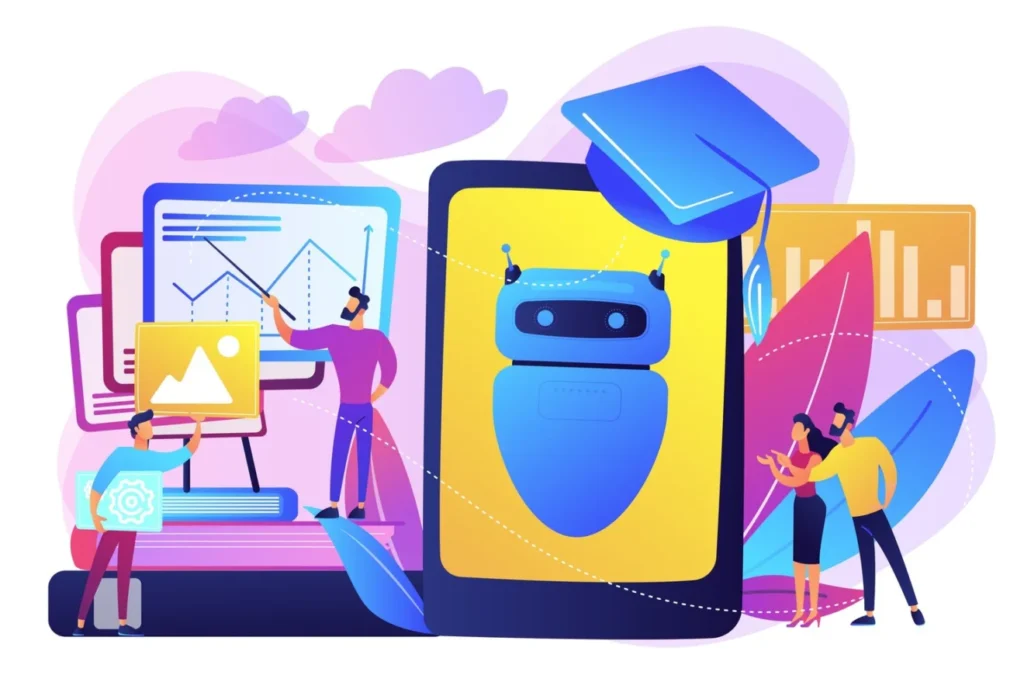
In today’s digital age, customer engagement and user experience have become paramount for online businesses. One effective way to enhance these aspects is by integrating AI chatbots into your website. Chatbots can provide real-time support, answer queries, and even assist with sales, making them a valuable addition to your online presence. While Chat GPT (Generative Pre-trained Transformer) has gained popularity as a chatbot solution, it’s essential to explore other alternatives to find the perfect AI chatbot for your website. In this comprehensive guide, we’ll discuss various AI chatbot options, both free and paid, to help you make an informed decision that aligns with your online marketing strategy and customer engagement goals. What Is Chat GPT? Before delving into the alternatives, let’s briefly understand what Chat GPT is and what it offers. Chat GPT, powered by OpenAI’s GPT-3.5 architecture, is an AI language model designed to generate human-like text responses. It’s a versatile tool that can be integrated into websites, apps, and various platforms to provide automated responses and engage with users in natural language. Key Features of Chat GPT: Is Chat GPT Free? The question of whether Chat GPT is free is a common one. OpenAI does offer access to Chat GPT through its API; however, it is not entirely free. OpenAI has both free and paid tiers, with usage limitations for the free tier. While you can experiment with Chat GPT in the free version, businesses with substantial chatbot needs may need to subscribe to a paid plan. Now, let’s explore various Chat GPT alternatives, both free and paid, to help you decide which one suits your requirements best. Free AI Chatbot Alternatives 1. Google’s Dialogflow: Keywords: Chat GPT free website, Chat GPT alternative Overview: Dialogflow is a powerful AI chatbot development platform by Google. While it offers paid plans, it also has a free tier that can be a great starting point for businesses looking to implement chatbots. It provides natural language understanding and supports integration with various platforms. Pros: Cons: 2. Chatfuel: Keywords: free Chat GPT, Chat GPT online version Overview: Chatfuel is a user-friendly chatbot platform that specializes in creating chatbots for Facebook Messenger. It offers a free plan with basic features, making it an excellent choice for businesses looking to engage with their Facebook audience. Pros: Cons: 3. Tars: Keywords: GPT chat ai, ai Chat GPT Overview: Tars, formerly known as Hellotars, is a chatbot platform that focuses on creating conversational landing pages and lead generation. It offers a free trial, allowing you to explore its features before committing to a paid plan. Pros: Cons: Paid AI Chatbot Alternatives Now, let’s take a closer look at some paid AI chatbot alternatives that offer advanced features and scalability. 1. IBM Watson Assistant: Keywords: GPT website, Chat GPT website Overview: IBM Watson Assistant is a robust AI chatbot platform that leverages IBM’s AI capabilities. It offers a range of features for creating AI-powered virtual assistants and chatbots that can be integrated into websites, apps, and messaging platforms. Pros: Cons: 2. Zendesk Chat: Keywords: GPT website, Chat GPT online Overview: Zendesk Chat, formerly known as Zopim, is a live chat and AI chatbot solution. It offers AI-powered chatbots that can provide real-time support to website visitors. While it’s a paid service, it can significantly enhance customer support and engagement. Pros: Cons: 3. HubSpot Chatbot: Keywords: Chat GPT alternative, Chat GPT online Overview: HubSpot offers a chatbot solution that’s part of its comprehensive inbound marketing platform. It’s designed to enhance customer engagement and lead generation by providing personalized and automated interactions on your website. Pros: Cons: Choosing the Perfect AI Chatbot for Your Website Selecting the right AI chatbot for your website involves considering various factors, including your budget, technical requirements, and specific use cases. Here are some key considerations to help you make an informed decision: 1. Budget: If you’re on a tight budget, free chatbot alternatives like Dialogflow or Chatfuel might be a suitable starting point. However, keep in mind that they may have limitations in terms of usage and features. If your website experiences substantial traffic and requires advanced capabilities, it may be worth investing in a paid solution. 2. Technical Requirements: Consider your technical expertise and the level of customization you require. User-friendly platforms like Chatfuel and Tars are great for those without coding skills, while more complex platforms like IBM Watson Assistant offer extensive customization options for experienced developers. 3. Integration: Think about where you want to deploy your chatbot. If you want it to work seamlessly with existing tools or platforms, choose a chatbot solution that offers easy integration with those systems. 4. Scalability: Assess the scalability of the chatbot platform. If your website experiences fluctuations in traffic, ensure that the chosen chatbot can handle the load without performance issues. 5. Customer Engagement Goals: Consider your specific customer engagement goals. Do you need a chatbot for lead generation, customer support, or sales assistance? Choose a chatbot that aligns with your primary objectives. The Importance of Chat GPT Alternatives While Chat GPT is a powerful Perfect AI Chatbot option, there are various alternatives available, both free and paid, that cater to different business needs and budgets. The choice of the perfect AI chatbot for your website depends on factors like budget, technical requirements, integration needs, scalability, and customer engagement goals. Implementing an AI chatbot on your website can bring numerous benefits, including: 1. Enhanced Customer Support: AI chatbots can provide instant responses to customer queries, improving the overall customer support experience. 2. 24/7 Availability: Chatbots can be available around the clock, ensuring that customers can get assistance whenever they need it. 3. Increased Efficiency: Automation of routine tasks frees up your team to focus on more complex and value-added activities. 4. Personalization: Many chatbots can offer personalized recommendations and responses, leading to higher customer satisfaction. 5. Lead Generation: Chatbots can engage with website visitors, collect lead information, and nurture prospects. 6. Cost Savings: Automating customer interactions can reduce the need for a large
Is Free Chat GPT Worth It for Your Business?

In this day and age of digital technology, companies are always looking for new and innovative ways to improve their customer service, streamline their operations, and increase their overall productivity. The Chat GPT (Generative Pre-trained Transformer) is a type of artificial intelligence that can generate text responses in real time that are very similar to those that a human would provide. This technology has received a lot of attention over the past few years. Even though Chat GPT has the potential to offer a multitude of benefits, including increased customer engagement and increased efficiency, the question still remains: is it worthwhile for your company to use free Chat GPT? In this all-encompassing guide, we will delve deeply into the world of free Chat GPT solutions, investigate the potential benefits and drawbacks of each, and assist you in arriving at a decision that is well-informed. Understanding Chat GPT: A Brief Overview Before delving into the value of free Chat GPT solutions for businesses, let’s begin with a basic understanding of what Chat GPT is and how it functions. Chat GPT is powered by advanced AI algorithms, specifically the GPT-3.5 architecture. It can understand user input and generate contextually relevant responses, making it a valuable tool for automating customer support, generating content, and more. Many businesses have leveraged Chat GPT to enhance user experiences and streamline operations. The Appeal of Free Chat GPT Solutions The allure of free Chat GPT solutions is undeniable, especially for small and medium-sized businesses (SMBs) with budget constraints. Here’s a look at the potential advantages that come with opting for a free Chat GPT solution: Now that we’ve highlighted the potential benefits, let’s take a closer look at the limitations and considerations when using free Chat GPT solutions: Limitations of Free Chat GPT Solutions Available Free Chat GPT Solutions Now that you’re aware of the potential advantages and limitations, let’s explore some of the notable free Chat GPT solutions available in the market: Evaluating Your Business Needs Determining whether a free Chat GPT solution is worth it for your business depends on your unique requirements and circumstances. Here are some key considerations to help you make an informed decision: Chat GPT Alternatives While free Chat GPT solutions are worth exploring, it’s also valuable to consider alternative approaches to chatbots and AI-driven customer interactions. Here are a few alternatives to Chat GPT: Conclusion: Is Free Chat GPT Worth It for Your Business? Free Chat GPT solutions can be a helpful starting point for small and medium-sized businesses that are looking to harness the power of AI-driven chatbots. Because of their accessibility, cost-effectiveness, and ease of use, they are an option that should not be overlooked by companies operating with constrained financial resources. However, it is essential to carefully evaluate the needs of your company, take into account the restrictions imposed by free plans, and investigate alternative choices in order to guarantee that the implementation of your chatbot will be in line with your long-term objectives. Even though free Chat GPT solutions have their benefits, it’s possible that they aren’t the best option for your company, particularly if you have a lot of customers chatting with you or specific needs to meet. In the end, the decision to implement a free Chat GPT solution ought to be founded on a comprehensive analysis of your specific conditions, goals, and financial limitations. You can leverage the power of Chat GPT to improve the experiences of your customers, streamline your operations, and drive growth in your business if you approach it in the right way. Make an educated decision that is in line with the particular requirements and objectives of your company, regardless of whether you go with a free option or a premium alternative. This is the key to success. Take Action Now, Supercharge Your Online Marketing! 🚀 Ready to take your organization’s marketing to the next level? 🚀 Contact us now to unlock the full potential of online marketing! 🌟 Let’s grow your business, attract more clients, and save money on effective marketing strategies. 💼 Fill out the ➡️ form here or book a convenient ➡️ Zoom meeting. 📆 Don’t miss this opportunity to get all your burning questions answered! 🔥 Let’s supercharge your marketing efforts together! 💪
Chat GPT vs. Traditional Customer Support: Which is Better for SMBs?

Customer service has risen to the forefront of importance in the rapidly shifting landscape of the business world. Small and medium-sized businesses (SMBs) are always looking for new and creative methods that won’t break the bank to improve their interactions with customers. One such development is the powerful AI-driven tool known as Chat GPT (Generative Pre-trained Transformer), which is designed to handle customer inquiries in an effective and efficient manner. On the other hand, it raises the question of how traditional human customer support agents compare to Chat GPT and its capabilities. In this comprehensive guide, we’ll delve into the pros and cons of using Chat GPT versus human agents and explore cost-effective alternatives to improve customer interactions. Chapter 1: Understanding Chat GPT 1.1 What Is Chat GPT? Before diving into the comparison, let’s establish a foundational understanding of Chat GPT. Chat GPT, also referred to as Chat AI, represents a cutting-edge technology harnessing the power of natural language processing (NLP). It’s an AI-driven conversational agent capable of engaging in meaningful text-based interactions with customers. By integrating Chat GPT into websites and applications, businesses can provide real-time responses to customer queries, delivering a seamless support experience. 1.2 Is Chat GPT Free? One of the initial queries many SMBs have about Chat GPT is its cost. Fortunately, there are both free and premium versions available, catering to a range of business needs. We will explore these options in greater detail as we progress through this blog. 1.3 Advantages of Chat GPT The adoption of Chat GPT brings forth several notable advantages: Chapter 2: Traditional Customer Support Traditional customer service is distinguished from the innovative Chat GPT by its reliance, to a significant extent, on human agents to interact with customers through a variety of channels. These channels include phone, email, and live chat. First, let’s take a more in-depth look at this tried-and-true method: 2.1 Human Agents in Customer Support 2.2 Limitations of Human Agents While human agents undoubtedly bring many advantages to the table, there are also certain limitations: Chapter 3: The Pros and Cons Now that we have established a foundational understanding of Chat GPT and traditional customer support, let’s embark on an in-depth comparison of these two approaches: 3.1 Pros of Using Chat GPT 3.2 Cons of Using Chat GPT While Chat GPT boasts several advantages, it also has its share of limitations: 3.3 Pros of Traditional Customer Support Conversely, traditional customer support possesses several noteworthy advantages: 3.4 Cons of Traditional Customer Support However, traditional customer support is not without its drawbacks: Chapter 4: Cost-Effective Alternatives Having examined the pros and cons of Chat GPT and traditional customer support, let’s explore some cost-effective alternatives that can help SMBs enhance their customer interactions: 4.1 Chat GPT Free Versions Numerous Chat GPT providers offer free versions of their services. While these free iterations may come with certain limitations compared to their premium counterparts, they still represent a valuable resource for SMBs operating on a tight budget. 4.2 Hybrid Approach Some businesses opt for a hybrid approach, combining the strengths of Chat GPT and human agents. This strategic fusion allows them to harness the benefits of automation while retaining the invaluable human touch for situations that demand it. 4.3 Outsourced Customer Support Outsourcing customer support to specialized agencies or freelance agents can be a cost-effective solution. These providers typically boast experienced agents capable of handling customer inquiries efficiently, often at a fraction of the cost associated with in-house teams. 4.4 Self-Service Portals Investing in self-service portals and C FAQs can significantly reduce the need for extensive customer support. By empowering customers to find answers to common questions on their own, businesses can optimize their resource allocation, reserving human intervention for more intricate or unique issues. Chapter 5: Choosing the Right Solution As we make our way toward making an educated decision, it is imperative that we take into consideration the myriad of factors that can play a role in determining whether we go with traditional customer support or Chat GPT. 5.1 Audience Demographics The preferences and anticipations of the audience you are trying to appeal to are extremely important considerations in this decision-making process. Consumers who are more familiar with technology and younger in age may prefer the effectiveness and promptness of Chat GPT, whereas consumers who are older and more established may prefer the familiarity of human interaction. 5.2 Budget Constraints It is imperative that you conduct a careful analysis of your budget. The cost-effective options presented by Chat GPT’s free or affordable versions may be particularly appealing to you if you are a startup or a small to medium-sized business (SMB) with limited financial resources. 5.3 Nature of Inquiries Investigate the various kinds of questions that are typically asked of your company. It’s possible that Chat GPT will be very useful for you if the vast majority of your questions are easy to answer and fall into a pattern. On the other hand, if the problems that arise for your company are frequently difficult or emotionally taxing, it’s possible that human agents are better equipped to solve those problems. 5.4 Scalability Take into consideration the growth trajectory and expansion plans for your company. The inherent scalability of Chat GPT makes it an attractive option for companies that have aspirations of experiencing both rapid expansion and an increase in the number of customer interactions. Conclusion The current climate of digital transformation makes available to small and medium-sized businesses a wide range of options that can be utilized to enhance the quality of the interactions they have with their respective customers. The low cost and high scalability of Chat GPT’s solutions are two of the most compelling arguments in favor of the platform’s potential as a viable alternative to traditional customer service models. The choice between these two strategies is one that should, however, be made with caution and forethought, taking into consideration the nature of your company, the characteristics of your customer base, as well as your particular circumstances
Unlocking Growth: Chat GPT for Small Business Owners

Small business owners in today’s digital age are constantly looking for new ways to improve their online presence and marketing efforts. Chat GPT (Generative Pre-trained Transformer) is one of the most recent and widely used tools. This cutting-edge artificial intelligence technology has proven to be a game changer for companies of all sizes. In this comprehensive guide, we will look at how to use Chat GPT to boost your online presence and marketing strategies. We’ll go over how it can save you time, effectively engage customers, and ultimately increase conversions. What is Chat GPT? Before we get into the benefits of using Chat GPT for your small business, let’s first define it. Chat GPT is an AI-powered conversational model that generates human-like text responses using natural language processing. It can hold text-based conversations with users, making it a versatile tool for a variety of applications such as customer support, content generation, and marketing. Is Chat GPT Free? Many small business owners are curious whether Chat GPT is free. Yes and no, respectively. Depending on your needs and requirements, Chat GPT is available in both free and paid versions. Free Chat GPT If you’re just getting started and have a limited budget, some platforms offer free versions of Chat GPT. These free versions provide basic functionality and are ideal for experimenting and becoming acquainted with the technology. Chat GPT Online Version Chat GPT is also available in a Chat GPT online version, which allows you to access it directly from a web browser without the need for any downloads or installations. This is extremely useful for small business owners who want to integrate AI chat capabilities into their websites quickly. Chat GPT Website Chat GPT is also available in an online version, which allows you to access it directly from a web browser without the need for any downloads or installations. This is extremely useful for small business owners who want to integrate AI chat capabilities into their websites quickly. Benefits of Using Chat GPT for Small Business Owners Now that we’ve covered the fundamentals, let’s look at the numerous advantages of using Chat GPT for small businesses. 1. Enhanced Customer Engagement Chat GPT’s ability to engage customers in real-time conversations is one of its primary advantages. Chat GPT can understand and respond to user queries more naturally than traditional chatbots that follow pre-defined scripts. This results in more meaningful interactions and increased customer engagement. 2. 24/7 Availability Chat GPT’s ability to engage customers in real-time conversations is one of its primary advantages. Chat GPT can understand and respond to user queries more naturally than traditional chatbots that follow pre-defined scripts. This results in more meaningful interactions and increased customer engagement. 3. Time and Cost Savings Chat GPT’s ability to engage customers in real-time conversations is one of its primary advantages. Chat GPT can understand and respond to user queries more naturally than traditional chatbots that follow pre-defined scripts. This results in more meaningful interactions and increased customer engagement. 4. Personalized Recommendations Chat GPT can analyze user data and behavior to recommend personalized products or content. Customers are more likely to engage with and purchase products or services that are tailored to their preferences, so this level of personalization can significantly increase conversions. 5. Improved Conversion Rates Chat GPT can help drive conversions on your website by providing instant responses to customer inquiries and personalized recommendations. Whether you sell products or services, an AI chatbot can help guide potential customers through the sales funnel, ultimately increasing conversion rates. 6. Data Insights Chat GPT can help drive conversions on your website by providing instant responses to customer inquiries and personalized recommendations. Whether you sell products or services, an AI chatbot can help guide potential customers through the sales funnel, ultimately increasing conversion rates. 7. Multilingual Support Chat GPT can be programmed to provide multilingual support if your company operates in multiple regions or serves a diverse customer base. This allows you to serve a broader audience without the need for additional language-specific customer service agents. 8. Scalability The volume of customer inquiries increases as your company grows. Chat GPT can easily scale to meet increased demand, ensuring that you can continue to provide effective customer support and engagement as your company grows How to Implement Chat GPT on Your Website Now that you’ve seen the benefits of using Chat GPT for your small business, let’s talk about how to put it on your website. 1. Choose a Chat GPT Provider There are a number of Chat GPT providers to choose from, each with its own set of features and pricing options. OpenAI’s GPT-3, Google’s BERT, and Microsoft’s DialoGPT are all popular options. Investigate and contrast these service providers to determine which one best meets your company’s requirements. 2. Integration There are a number of Chat GPT providers to choose from, each with its own set of features and pricing options. OpenAI’s GPT-3, Google’s BERT, and Microsoft’s DialoGPT are all popular options. Investigate and contrast these service providers to determine which one best meets your company’s requirements. 3. Training There are a number of Chat GPT providers to choose from, each with its own set of features and pricing options. OpenAI’s GPT-3, Google’s BERT, and Microsoft’s DialoGPT are all popular options. Investigate and contrast these service providers to determine which one best meets your company’s requirements. 4. Continuous Improvement Chat GPT is not a one-time solution. To ensure optimal performance, review chat transcripts and user feedback on a regular basis to identify areas where the chatbot can be improved. As your company grows, fine-tune its responses and train it on new data. Chat GPT Alternatives While Chat GPT is a powerful tool, it is important to consider alternatives that may be better suited to your company’s needs. Here are some alternatives to Chat GPT: 1. Traditional Chatbots Traditional chatbots are rule-based and operate according to predefined scripts. They may be more appropriate for businesses with simple and repetitive customer queries. 2. Live