

Launching your first marketing automation strategy can feel overwhelming when every step seems crucial for success. Without a clear plan, campaigns often fall flat and miss their target audience, costing you valuable time and resources. The ability to personalize and prioritize your efforts is more important than ever, especially as marketers increasingly allocate more budget to personalized approaches.
This list gives you actionable steps to transform your marketing automation from guesswork into a data-driven powerhouse. You will learn how to define your target audience, segment your customers, and create campaigns that deliver meaningful results. Each item reveals practical techniques to build smarter workflows, align your team, and track progress with real-time insights.
Get ready to discover strategies that make your automation efforts more effective, helping you scale your campaigns and engage customers at every stage.
1. Define Your Target Audience and Segmentation Goals
Marketing automation starts with knowing exactly who you want to reach. Understanding your target audience is not just a preliminary step — it’s the strategic foundation that determines the success of your entire marketing approach.
Targeting the right people allows you to transform generic marketing efforts into precision-driven campaigns. By defining clear audience segments, you create opportunities to deliver messages that resonate deeply with specific customer groups.
When crafting your target audience profile, consider these key dimensions:
- Demografie: Age, gender, income level, education, location
- Psychographics: Interests, values, lifestyle preferences
- Behavioral Characteristics: Purchase history, brand interactions, engagement patterns
- Professional Context: Industry, job role, company size
Successful segmentation requires moving beyond surface-level descriptions. Your goal is to develop a nuanced understanding that allows for highly personalized customer experiences.
Your target audience is not just a group — it’s a collection of unique individuals with specific needs and motivations.
To effectively segment your audience, start by gathering comprehensive data through:
- Customer surveys
- Website analytics
- Social media insights
- Purchase history records
- Direct customer feedback
Pro tip: Create a detailed customer persona document that goes beyond basic demographics and captures the emotional drivers and pain points of your ideal customer segments.
2. Map Out Your Customer Journey Stages
The customer journey is the strategic roadmap that tracks a potential buyer’s progression from initial awareness to final purchase. Understanding this journey allows you to create targeted marketing automation that speaks directly to each stage of customer decision making.
A well-mapped customer journey provides critical insights into how potential customers interact with your brand. By breaking down the journey into distinct stages, you can design marketing automation strategies that deliver the right message at the right moment.
Typical customer journey stages include:
- Awareness: Customer first learns about your product or service
- Consideration: Customer evaluates potential solutions
- Decision: Customer chooses to make a purchase
- Retention: Customer experiences post-purchase interactions
- Advocacy: Customer becomes a brand supporter
Effective journey mapping transforms generic marketing into personalized customer experiences.
To create a comprehensive journey map:
- Interview existing customers about their experiences
- Analyze customer interaction data
- Identify key touchpoints and emotional triggers
- Document potential customer pain points
- Design targeted content for each stage
Pro tip: Create visual journey maps with detailed personas that highlight specific emotional and rational needs at each customer interaction stage.
3. Select Key Automation Campaigns to Launch First
Not all marketing automation campaigns are created equal. Smart businesses strategically choose initial automation efforts that deliver maximum impact with minimal complexity.
Prioritizing marketing automation campaigns requires identifying workflows that generate quick wins and demonstrate tangible value to your organization.
Top automation campaigns to consider launching first include:
- Welcome Email Series: Onboard new subscribers with personalized content
- Lead Nurturing Workflow: Progressively engage potential customers
- Abandoned Cart Recovery: Recapture potential lost sales
- Re-engagement Campaigns: Reactivate dormant contacts
- Post-Purchase Follow-up: Enhance customer satisfaction and retention
Strategic automation transforms sporadic interactions into meaningful customer relationships.
When selecting initial automation campaigns:
- Assess potential business impact
- Evaluate technical complexity
- Identify clear performance metrics
- Start with lowest-hanging fruit
- Plan for gradual expansion
Successful initial campaigns focus on creating immediate value while building a foundation for more sophisticated automation strategies.
Pro tip: Create a simple scorecard ranking potential automation campaigns by expected return on investment and implementation difficulty to guide your strategic rollout.
4. Integrate CRM for Unified Lead Management
A Customer Relationship Management (CRM) system is the central nervous system of your marketing automation strategy. Unified lead management transforms fragmented customer interactions into a comprehensive understanding of your prospect’s journey.
By integrating your CRM with marketing automation platforms, you create a powerful ecosystem that tracks every touchpoint and interaction. This seamless connection allows you to understand customer behaviors and preferences with unprecedented depth.
Key benefits of CRM integration include:
- Centralized Contact Information: Single source of truth for all customer data
- Automated Lead Scoring: Prioritize prospects based on engagement
- Gepersonaliseerde communicatie: Trigger targeted messages based on specific behaviors
- Sales and Marketing Alignment: Shared insights across departments
- Prestatietracking: Comprehensive view of marketing campaign effectiveness
Your CRM is not just a database — it’s a strategic intelligence platform that drives smarter marketing decisions.
To successfully integrate your CRM:
- Choose a CRM with robust API capabilities
- Map data fields between systems
- Establish clear synchronization protocols
- Test data flow and accuracy
- Train team members on new workflows
Successful CRM integration requires thoughtful planning and a commitment to data quality.
Pro tip: Conduct a comprehensive data audit before integration to ensure clean and consistent information flows between your marketing automation and CRM platforms.
5. Set Up Automated Email and SMS Workflows
Automated communication workflows transform how businesses interact with customers by delivering personalized messages at precise moments. Email and SMS automation create a seamless communication strategy that nurtures leads and enhances customer engagement.
These automated workflows allow you to trigger specific messages based on customer behaviors customer interactions and predefined conditions. By implementing strategic communication sequences you can dramatically improve response rates and customer experience.
Key automated workflow types include:
- Welcome Series: Onboard new subscribers with targeted content
- Abandoned Cart Recovery: Recapture potential lost sales
- Re-engagement Campaigns: Reactivate dormant contacts
- Post-Purchase Follow-up: Enhance customer satisfaction
- Birthday and Anniversary Triggers: Create personalized touchpoints
Automated workflows turn random interactions into strategic customer conversations.
To create effective email and SMS workflows:
- Define clear trigger conditions
- Craft personalized message sequences
- Set appropriate time intervals
- Test and optimize message content
- Monitor engagement metrics
Successful communication workflows require continuous refinement and attention to customer preferences.
Pro tip: Design your automated workflows with a human touch — write messages that sound conversational and authentic rather than robotic and generic.
6. Create Real-Time Reporting and Monitoring Dashboards
Marketing automation is only as powerful as your ability to track and understand its performance. Real-time reporting dashboards transform raw data into actionable insights that drive strategic decision making.
Marketing analytics dashboards provide an instant snapshot of your campaign effectiveness and customer engagement across multiple channels. By creating comprehensive monitoring tools you can quickly identify trends transform complex data into clear visual narratives.
Key dashboard metrics to track include:
- Conversiepercentages: Measure campaign effectiveness
- Customer Acquisition Cost: Track marketing spending efficiency
- Lead Generation Performance: Monitor funnel health
- Email Engagement Rates: Assess communication effectiveness
- Sales Pipeline Progression: Understand revenue potential
Your dashboard is the strategic command center that reveals the true impact of your marketing efforts.
To build an effective monitoring dashboard:
- Identify critical key performance indicators
- Select visualization tools with integration capabilities
- Configure automated data refresh settings
- Create custom views for different stakeholders
- Establish baseline benchmarks for comparison
Successful dashboards translate complex data into clear strategic insights.
Pro tip: Design your dashboard with a storytelling approach — arrange metrics to create a narrative that reveals how each element connects to your broader marketing objectives.
7. Test, Optimize, and Keep Your Automation Aligned
Marketing automation is not a set-it-and-forget-it strategy. Continuous testing and optimization are essential for maintaining the effectiveness of your automated workflows and ensuring they deliver real business value.
Successful marketing automation requires a systematic approach to evaluating and refining your campaigns. By implementing a robust testing framework you can identify what works identify areas for improvement and adapt your strategies in real time.
Belangrijke optimalisatiestrategieën zijn:
- A/B-testen: Compare different message variations
- Performance Segmentation: Analyze results by audience groups
- Conversion Path Analysis: Track user interactions and drop-off points
- Engagement Metric Review: Monitor open rates click-through rates and conversions
- Technical Workflow Audits: Check for technical errors or inefficiencies
Optimization is not about perfection — it is about continuous incremental improvement.
To effectively test and optimize your automation:
- Establish clear performance benchmarks
- Create hypotheses for potential improvements
- Implement controlled experiments
- Collect and analyze performance data
- Make data-driven refinements
Successful automation evolves with your business and customer needs.
Pro tip: Schedule quarterly comprehensive reviews of your automation workflows to ensure they remain aligned with your current business goals and customer expectations.
Below is a comprehensive table summarizing the strategies, steps, and key considerations discussed in the article about effective marketing automation practices.
| Aspect | Details | Belangrijkste voordelen |
|---|---|---|
| Definitie van doelgroep | Segment audience by demographics, psychographics, behavior, and professional context. Gather data through surveys, analytics, and feedback. | Increased personalization and campaign precision. |
| Customer Journey Mapping | Analyze and define stages: Awareness, Consideration, Decision, Retention, and Advocacy. Document pain points and triggers. | Tailored marketing strategies aligned to customer needs. |
| Initial Automation Campaigns | Focus on campaigns like Welcome Emails, Abandoned Cart Recovery, and Lead Nurturing workflows. Prioritize by impact and simplicity. | Quick wins and improved engagement rates. |
| CRM Integration | Connect CRM for centralized data, lead scoring, and marketing-sales alignment. Ensure data integrity through audits. | Unified view of customer interactions and improved decision-making. |
| Automated Communication Workflows | Design workflows for targeted Email and SMS communication triggered by customer actions. Test and optimize sequences. | Enhanced engagement and personalized customer experiences. |
| Reporting and Monitoring | Establish dashboards tracking KPIs like Conversion Rates and Lead Generation Performance. Use visualization tools. | Real-time strategic insights for campaign adjustments. |
| Optimization Practices | Continuously test workflows using techniques like A/B Testing and Conversion Path Analysis. Refine based on data. | Sustained improvement and alignment with business goals. |
Unlock Your Marketing Automation Potential with Smart Solutions
The challenge you face in the “7 Essentials Every Marketing Automation Checklist Must Have” article is clear: implementing a simple yet powerful marketing automation system that covers everything from CRM integration to real-time reporting without becoming overwhelmed by complexity or cost. You want to avoid scattered tools and complicated setups while creating meaningful, personalized interactions with your audience across every stage of the customer journey.
At Go Online Now, we understand these pain points deeply. Our Automation Archives – Go Online Now resources and proven all-in-one platform are tailored to help small and medium businesses like yours simplify lead management, email marketing automation, and customer journey mapping. With our platform, you get every essential tool in one transparent system including unified CRM, automated SMS and email workflows, and done-for-you setup so you can focus on growth without hassle.
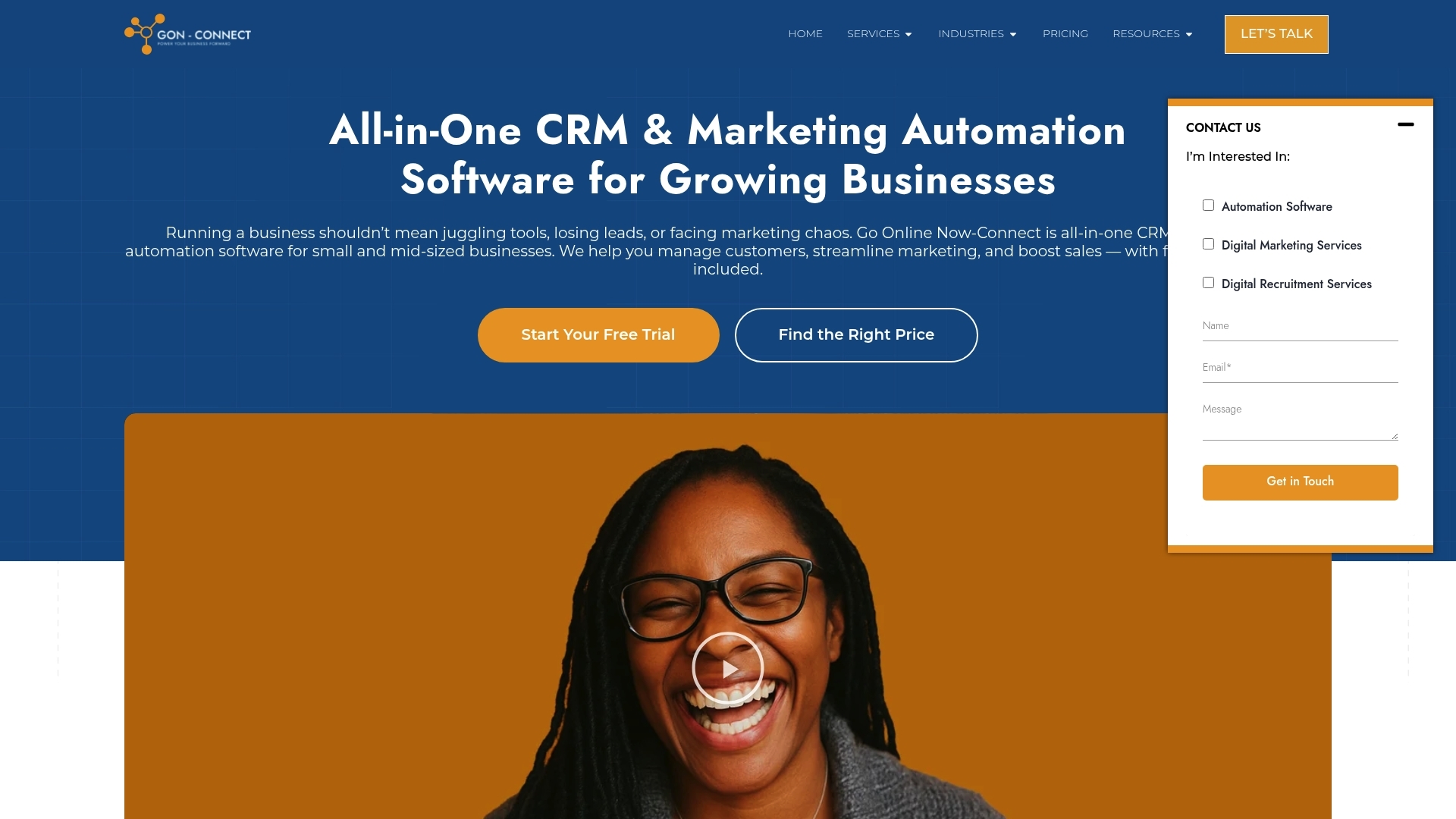
Ready to transform your marketing automation checklist into a streamlined reality that delivers up to 85 percent more conversions and saves 75 percent of your time? Visit Go Online Now today to explore how our platform and dedicated team can power your growth with smart automation and real human support. Discover more insights in our Digital Marketing Archives – Go Online Now and take the next step toward automating with confidence now.
Veelgestelde vragen
What are the key components of a marketing automation checklist?
To create an effective marketing automation checklist, ensure it includes defining your target audience, mapping out customer journey stages, selecting initial automation campaigns, and integrating a CRM for unified lead management. Start by outlining these essentials to guide your marketing strategy and improve user engagement.
How do I identify my target audience for marketing automation?
Understanding your target audience involves analyzing demographics, psychographics, and behavioral characteristics. Gather data through customer surveys and website analytics to create detailed customer personas for more personalized marketing efforts.
What customer journey stages should I include in my marketing automation?
Include key customer journey stages such as awareness, consideration, decision, retention, and advocacy in your marketing automation. Mapping these stages allows you to target your communications effectively and enhance the customer experience at every phase.
How can I prioritize which automation campaigns to launch first?
Focus on campaigns that promise quick wins, like welcome email series or abandoned cart recovery workflows. Evaluate each campaign’s potential impact and ease of implementation before setting up your automation.
What metrics should I track in my marketing automation dashboard?
Track essential metrics like conversion rates, customer acquisition cost, and email engagement rates to evaluate your marketing automation effectiveness. Regularly review these metrics to identify trends and optimize your strategies.
How often should I test and optimize my marketing automation workflows?
Regularly test and optimize your automation workflows at least quarterly to ensure they align with changing business goals and customer expectations. Implement A/B testing and performance segmentation to refine your strategies continuously.